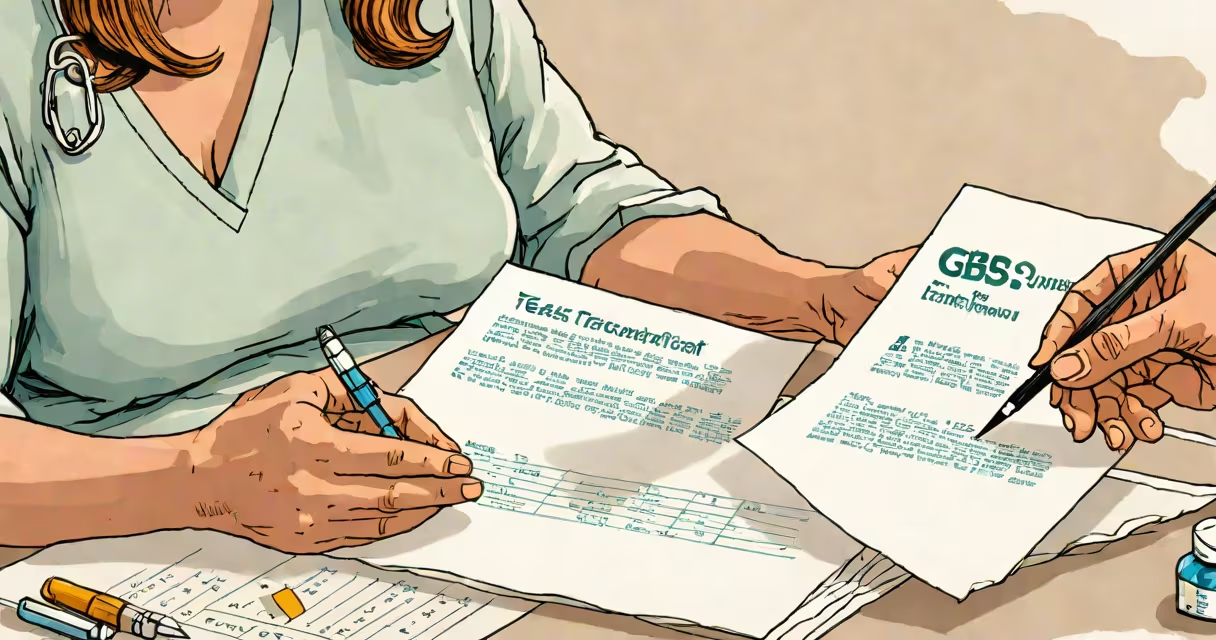
Group B strep (GBS) is a bacterial infection that can affect pregnant women and their newborns. About 25% of pregnant women carry GBS bacteria in their intestines or lower genital tract.
GBS typically doesn't cause symptoms in pregnant women. However, it can lead to urinary tract infections, fever during labor, or stillbirth. Newborns can develop severe illnesses like sepsis, pneumonia, or meningitis if exposed during birth.
| Type | Risk Level | Common Symptoms |
|---|---|---|
| Colonization | Low | No symptoms |
| Urinary Tract Infection | Moderate | Burning sensation, frequent urination |
| Sepsis in Newborns | High | Fever, difficulty feeding, lethargy |
Doctors test for GBS between weeks 36 and 37 of pregnancy using a swab of the vagina and rectum. If positive, intravenous antibiotics like penicillin are given during labor to prevent transmission to the baby.
Many people confuse GBS with group A strep, which causes strep throat. Unlike group A strep, GBS rarely causes illness in healthy adults but poses significant risks during pregnancy. Another misconception is that GBS always causes symptoms, but most women who carry it remain asymptomatic.
During my sister's pregnancy, she tested positive for GBS. Her doctor administered IV antibiotics during labor, and her baby was born healthy without any signs of infection. Regular testing and timely treatment reduced the risk of complications.
Understanding GBS during pregnancy is important for ensuring the health of both mother and child. Regular prenatal testing and appropriate treatment can prevent severe outcomes. For more details on what does gbs stand for, visit our complete guide.