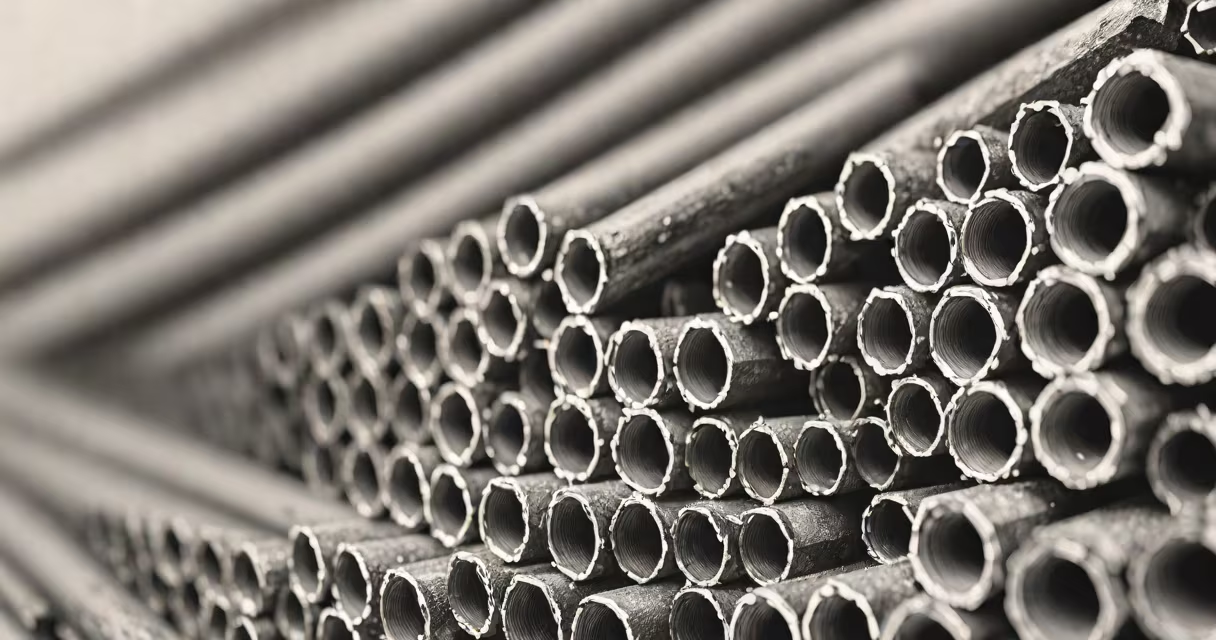
HSS steel, or high-strength structural steel, is a type of alloy steel designed for construction applications requiring superior strength and durability. It typically contains alloying elements like manganese, silicon, and copper to improve its mechanical properties.
HSS steel achieves its high strength through controlled manufacturing processes, including heat treatment and controlled cooling. These processes alter the steel's microstructure, making it stronger and more resistant to deformation. The alloying elements in HSS steel improve its hardness, toughness, and resistance to corrosion compared to carbon steel.
HSS steel comes in various grades, each with specific chemical compositions and mechanical properties. Common grades include:
| Grade | Yield Strength (MPa) | Tensile Strength (MPa) | Common Uses |
|---|---|---|---|
| ASTM A500 | 290-345 | 415-485 | Structural tubing, light poles |
| ASTM A572 | 345-450 | 450-550 | Buildings, bridges, pressure vessels |
| ASTM A992 | 345 | 450 | Steel beams, columns |
HSS steel is widely used in construction due to its high strength-to-weight ratio, which allows for lighter structures without compromising safety. It's commonly used in:
Many people confuse HSS steel with regular carbon steel. Unlike carbon steel, HSS steel contains additional alloying elements that improve its mechanical properties. Another misconception is that HSS steel is always more expensive, but its higher initial cost is often offset by reduced material usage and lower transportation costs due to its lighter weight.
I once visited a construction site where HSS steel beams were being installed for a high-rise building. The project manager explained how the use of HSS steel reduced the number of beams needed, speeding up construction and lowering costs.