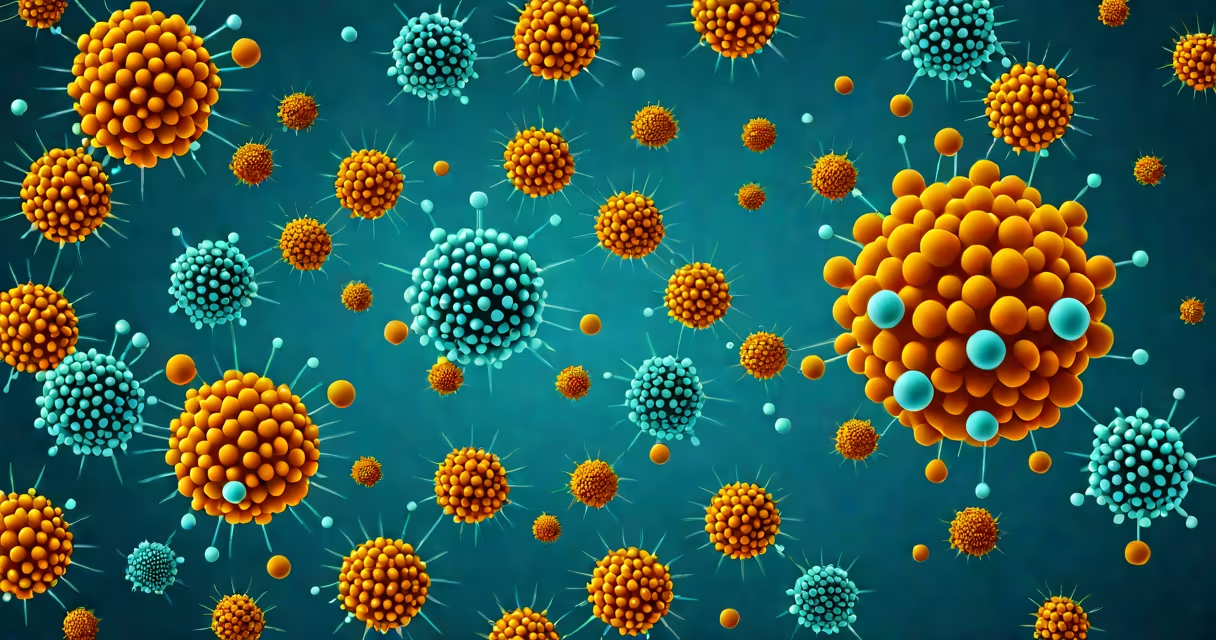
Nanotechnology in medicine uses materials and devices at the atomic or molecular scale (1-100 nanometers) to diagnose, treat, and prevent diseases with new precision. This field, called nanomedicine, leverages nanoscale tools to interact with biological systems in ways larger devices cannot.
Nanomedicine operates at the size of proteins and DNA, allowing for interactions at the cellular level. For example, nanoparticles can penetrate cells to deliver drugs directly to tumors, minimizing damage to healthy tissues. The small size of these particles enables them to bypass biological barriers, such as the blood-brain barrier, which larger molecules cannot cross.
Nanomedicine includes several key applications:
Many people confuse nanomedicine with general nanotechnology, assuming it's purely about miniaturization. However, nanomedicine focuses specifically on medical applications, such as improving drug efficacy and reducing side effects. Another misconception is that nanomedicine is purely theoretical-it's already in use, with FDA-approved treatments like Abraxane, a nanotechnology-based chemotherapy drug.
Researchers are exploring new frontiers, such as nanorobots for targeted therapy and nanoimplants for continuous health monitoring. The global nanomedicine market is projected to reach $350 billion by 2025, according to a report by Grand View Research. While challenges remain, including regulatory hurdles and long-term safety studies, the potential for personalized medicine and early disease detection makes nanomedicine a promising field.
I've seen firsthand how nanotechnology is revolutionizing treatment options. During a visit to a research lab, I observed scientists using gold nanoparticles to target cancer cells, showcasing the precision and potential of this technology.