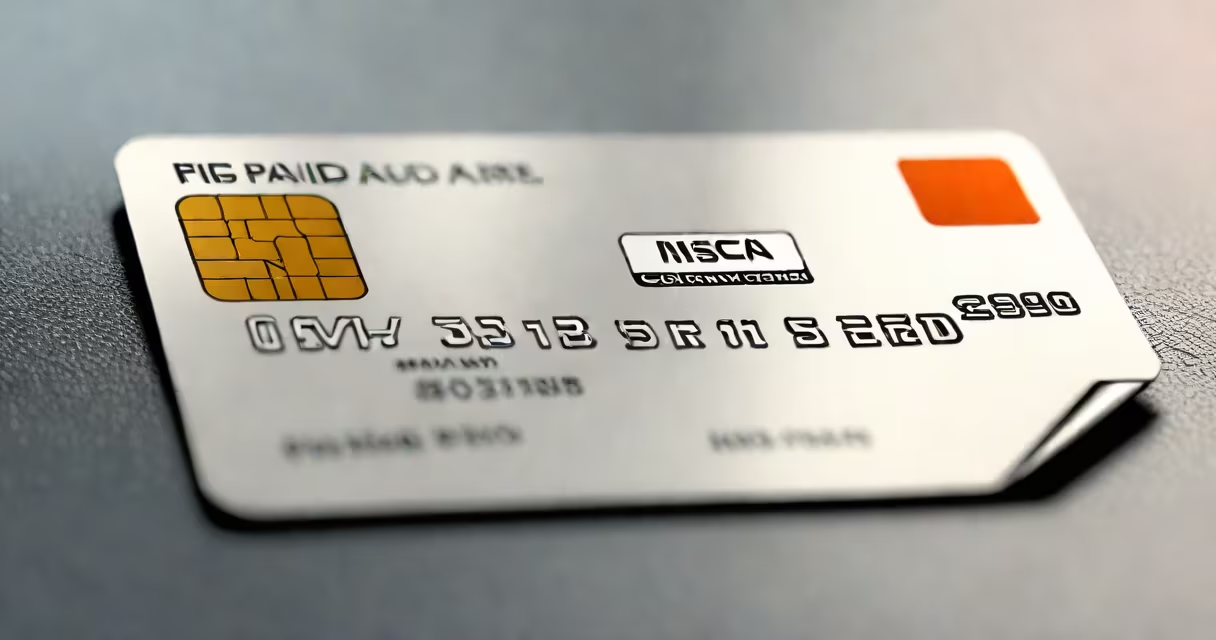
A **paid card** is a corporate credit card issued to employees for business expenses, typically with spending limits and reporting requirements. Unlike personal cards, these are paid off monthly by the employer.
When an employee makes a purchase, funds are drawn from the company's line of credit. The company then pays the balance in full each billing cycle, avoiding interest charges. This differs from consumer cards, which may carry balances month-to-month.
| Type | Primary Use | Key Feature |
|---|---|---|
| Procurement Card (P-Card) | Office supplies, equipment | Low spending limits, high transaction volume |
| Travel Card | Flights, hotels, meals | Higher limits, often integrated with expense software |
| Fleet Card | Fuel, vehicle maintenance | Restricted to fuel stations and repair shops |
Companies prefer paid cards over cash or personal reimbursements because they centralize expense tracking. According to the Federal Reserve Payments Study, businesses using p-cards reduce processing costs by 50% compared to paper-based systems.
Paid cards also improve compliance. For example, a marketing firm might restrict p-card use to vendors pre-approved in their accounting system. Transactions are automatically logged, reducing fraud risk.
Many assume paid cards are the same as corporate charge cards. While both are employer-paid, charge cards lack the spending controls and reporting features of p-cards. Charge cards are often used by executives for larger, infrequent expenses.
Another myth is that paid cards are only for large enterprises. Small businesses also use them, especially for recurring expenses like software subscriptions. A local bakery might issue a p-card to its manager for weekly grocery runs, ensuring consistent record-keeping.
I worked with a tech startup that switched from personal reimbursements to p-cards. Their finance team saved 12 hours per month by eliminating manual receipt collection. The cards also reduced unauthorized purchases by 30%, as employees could only buy from approved vendors.
Paid cards aren't perfect-they require upfront setup and training. But for most businesses, the efficiency gains outweigh the costs.