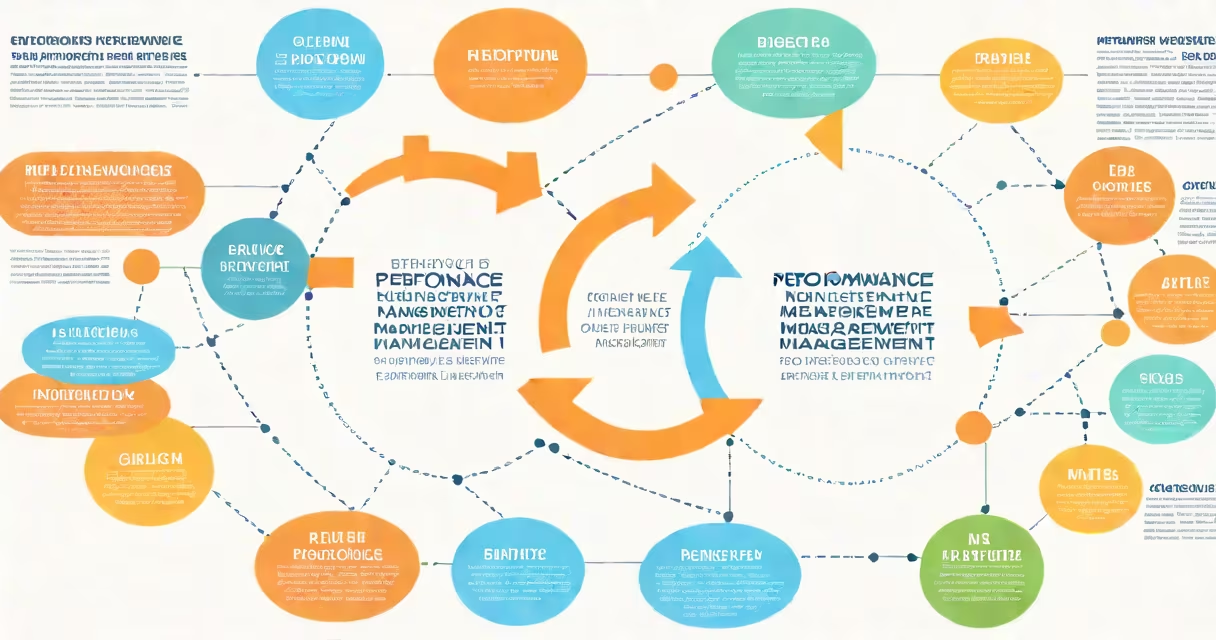
Performance management in human resource management (HRM) is a continuous process where employers monitor, evaluate, and develop employee performance to meet organizational goals. It combines goal setting, regular feedback, and performance reviews.
This system ensures employees understand expectations, receive consistent guidance, and have opportunities to grow. Unlike traditional annual reviews, modern performance management emphasizes ongoing dialogue between managers and employees.
Performance management operates through a structured cycle:
For example, a sales manager might set quarterly targets for a team member, then hold biweekly meetings to discuss progress. At the end of the quarter, they'd assess whether the employee met goals and identify areas for improvement.
The core elements include:
People often confuse performance management with:
| Misconception | Reality |
|---|---|
| Annual performance reviews | Performance management is an ongoing process, not a single event |
| Disciplinary action | It focuses on development, not just punishment |
| Top-down control | Effective programs involve collaboration between managers and employees |
A 2023 study by the Society for Human Resource Management found that companies with solid performance management processes had 30% higher employee engagement scores. This underscores the link between structured performance systems and organizational success.
At my previous company, we implemented a performance management system that included quarterly goal-setting sessions and monthly check-ins. We saw a 25% increase in project completion rates within six months. The key was ensuring goals were specific and measurable, with clear consequences for both success and failure.
One challenge was getting managers to provide constructive feedback consistently. Training sessions helped, but the real breakthrough came when we tied performance discussions to career development opportunities.
Effective performance management improves:
According to Gallup research, only 23% of employees strongly agree their performance reviews are fair and accurate. This highlights the need for transparent, well-structured performance management systems that employees trust.
By focusing on continuous improvement rather than punishment, performance management becomes a tool for both individual and organizational success.