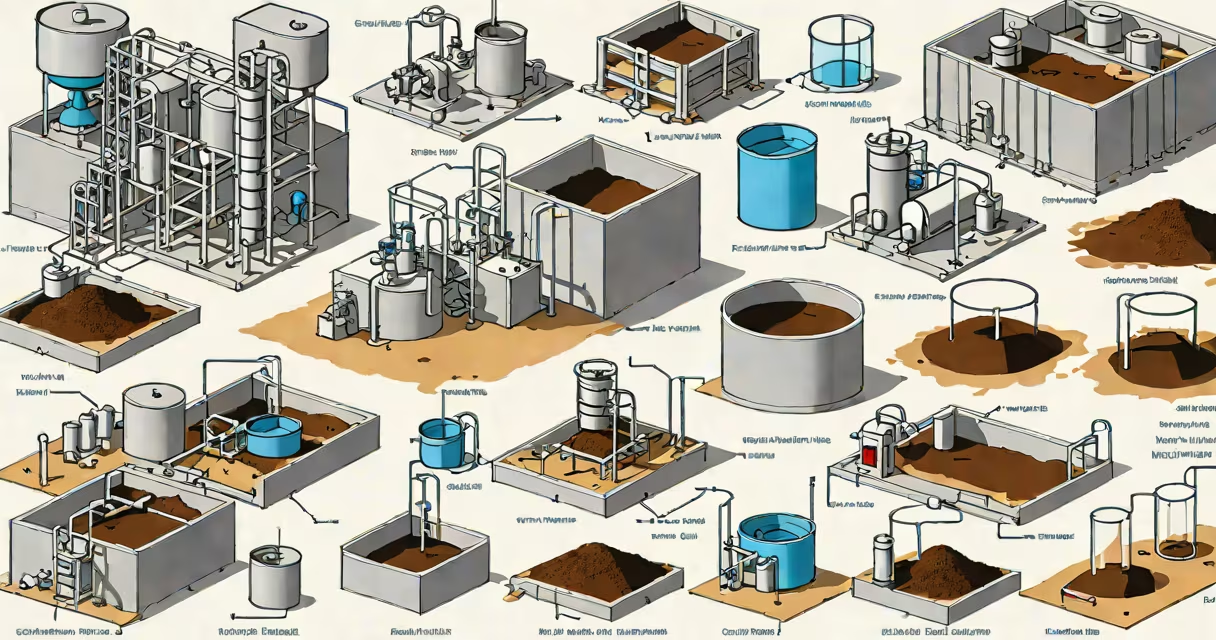
Sludge is the semi-solid residue produced during wastewater treatment, formed when organic matter and other solids settle out of the water. It contains a mix of water, microorganisms, and organic material that must be further treated before disposal.
Wastewater treatment involves several stages, each contributing to sludge formation. Primary treatment uses gravity to separate heavier solids from liquid, producing primary sludge. Secondary treatment introduces microorganisms that digest organic matter, generating activated sludge as a byproduct. Tertiary treatment further refines the water, often yielding additional sludge.
| Type | Source | Characteristics |
|---|---|---|
| Primary Sludge | Primary sedimentation tanks | High in organic content, easily settleable |
| Activated Sludge | Secondary treatment processes | Rich in microorganisms, used for further treatment |
| Trickling Filter Sludge | Trickling filter systems | Produced by microbial growth on filters |
Untreated sludge poses significant environmental and health risks. Pathogens, heavy metals, and toxic chemicals can contaminate soil and water if not properly managed. The U.S. Environmental Protection Agency (EPA) regulates sludge handling to ensure safe disposal or reuse. Effective sludge treatment reduces volume, stabilizes organic matter, and removes harmful substances.
One common method is anaerobic digestion, where microbes break down sludge in oxygen-free conditions, producing biogas that can be used for energy. Other methods include composting, incineration, and land application. According to the EPA, about 60% of treated sludge in the U.S. is recycled as fertilizer or soil conditioner.
Many people confuse sludge with simple sediment or assume it's always hazardous. While raw sludge can contain harmful pathogens, proper treatment renders it safe for agricultural use. Another misconception is that all sludge is the same; in reality, its composition varies widely based on the source and treatment process.
For example, sludge from industrial wastewater may contain higher levels of heavy metals compared to domestic sewage sludge. Understanding these differences is critical for determining the appropriate treatment and disposal methods.
During a visit to a local wastewater treatment plant, I observed the anaerobic digestion process firsthand. The facility processed about 50 tons of sludge daily, converting it into usable biogas. The operator noted that proper sludge management reduced operational costs and environmental impact.
Sludge in wastewater treatment is a important byproduct that requires careful handling to protect public health and the environment. By understanding its formation, types, and treatment methods, we can ensure sustainable wastewater management practices.