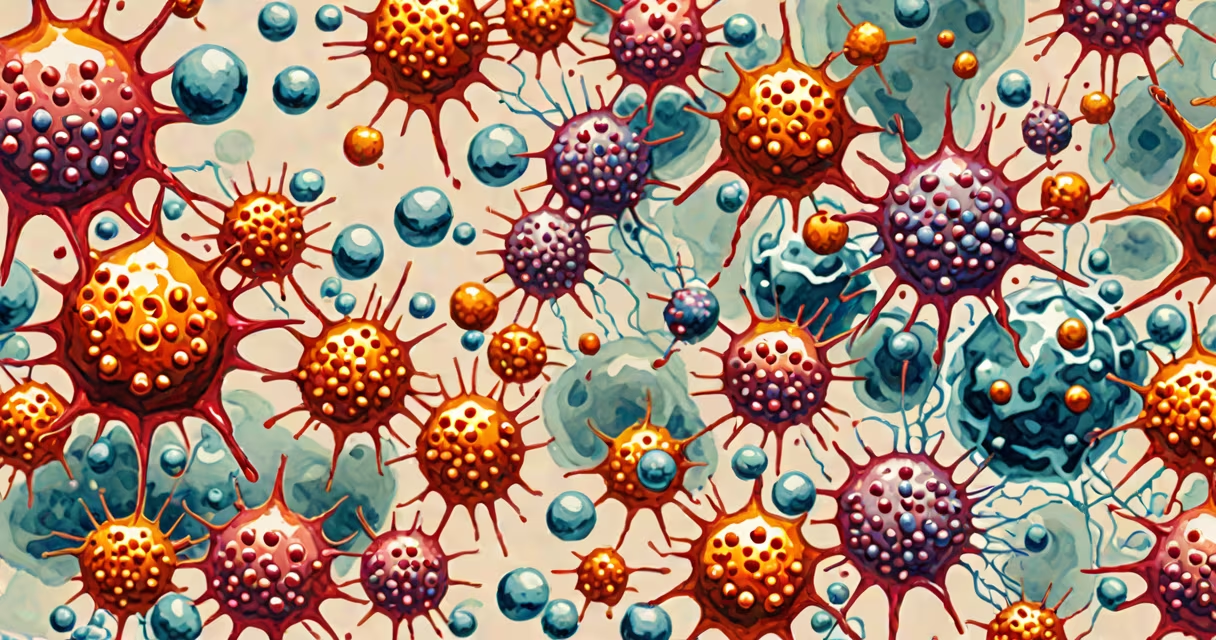
Immunocompromised means having a weakened immune system due to medical conditions or treatments. This makes it harder for your body to fight infections.
The immune system is your body's defense against germs. It includes white blood cells, antibodies, and other components that identify and destroy harmful invaders. When you're immunocompromised, this system doesn't work as well.
Several factors can lead to an immunocompromised state:
People who are immunocompromised may experience frequent infections, slow healing, or severe reactions to common illnesses. For example, a cold might develop into pneumonia. According to the CDC, immunocompromised individuals are at higher risk for serious complications from infections like COVID-19.
Many people confuse being immunocompromised with allergies or minor illnesses. Unlike allergies, which are overreactions of the immune system, immunocompromised states involve a weakened response., not all immunocompromised individuals have visible symptoms until they face an infection.
To stay healthy, immunocompromised individuals often follow strict hygiene practices, avoid crowds, and take medications to prevent infections. Vaccinations are important but may be less effective. For instance, the flu vaccine might not provide full protection, so additional precautions are necessary.
I once worked with a colleague who was immunocompromised due to chemotherapy. They carried hand sanitizer everywhere, avoided shared office supplies, and took extra care during flu season. Their experience highlighted how seriously immunocompromised individuals must manage their health.
Understanding the meaning of immunocompromised helps people support those with weakened immune systems and take necessary precautions to protect themselves and others.