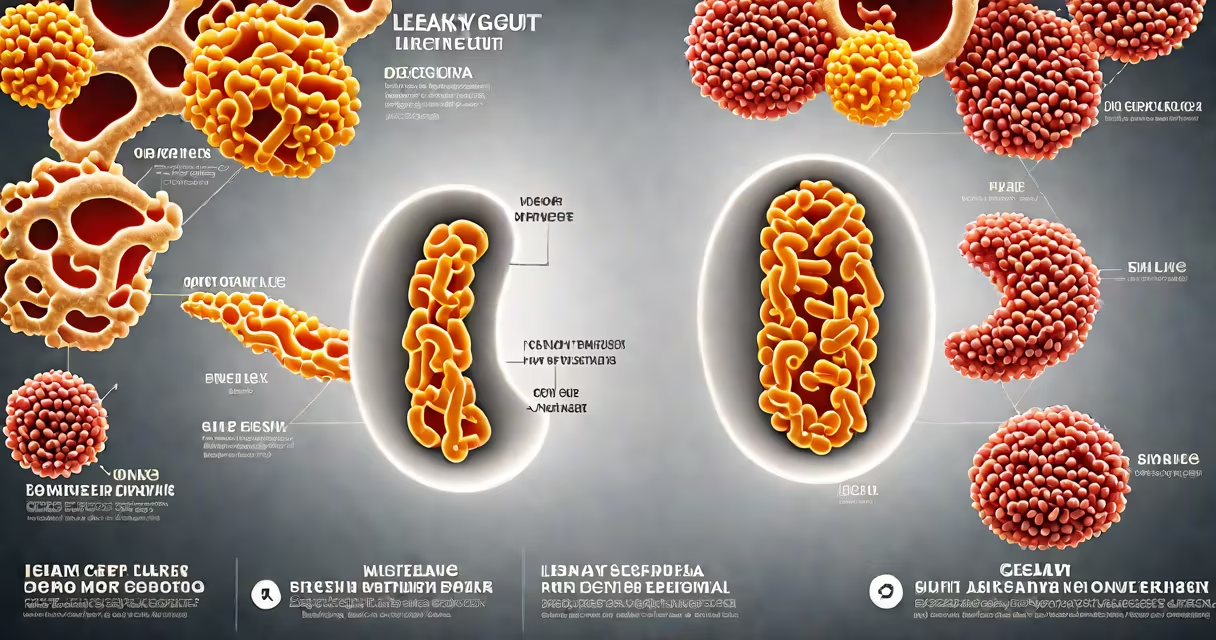
Leaky gut is a condition where the tight junctions in your intestinal lining separate, allowing bacteria, toxins, and undigested food particles to pass into your bloodstream. This triggers inflammation and immune responses throughout the body.
The small intestine normally acts as a barrier, absorbing nutrients while blocking harmful substances. When this barrier weakens, it becomes "leaky," letting unwanted particles through. The immune system responds by attacking these invaders, causing chronic inflammation linked to various health problems.
Leaky gut can be classified based on its causes:
| Type | Primary Causes |
|---|---|
| Acute | Short-term factors like infections or severe stress |
| Chronic | Long-term issues including poor diet, chronic stress, or autoimmune conditions |
Researchers study leaky gut to understand its role in diseases like celiac disease, inflammatory bowel disease, and even autism. The condition may contribute to symptoms beyond digestion, including skin issues, joint pain, and fatigue. A 2014 study published in Biomed Research International found increased intestinal permeability in patients with chronic fatigue syndrome.
Many people confuse leaky gut with general digestive discomfort. Unlike occasional bloating or gas, leaky gut involves systemic inflammation affecting multiple organs. Another myth is that leaky gut only affects the digestive system, but research shows it can impact the entire body. For example, a 2016 study in Cell linked leaky gut to liver inflammation and metabolic disorders.
I noticed significant improvements in my energy levels and skin clarity after addressing potential leaky gut triggers in my diet and lifestyle. While more research is needed, managing stress, eating anti-inflammatory foods, and supporting gut health may help reduce symptoms.