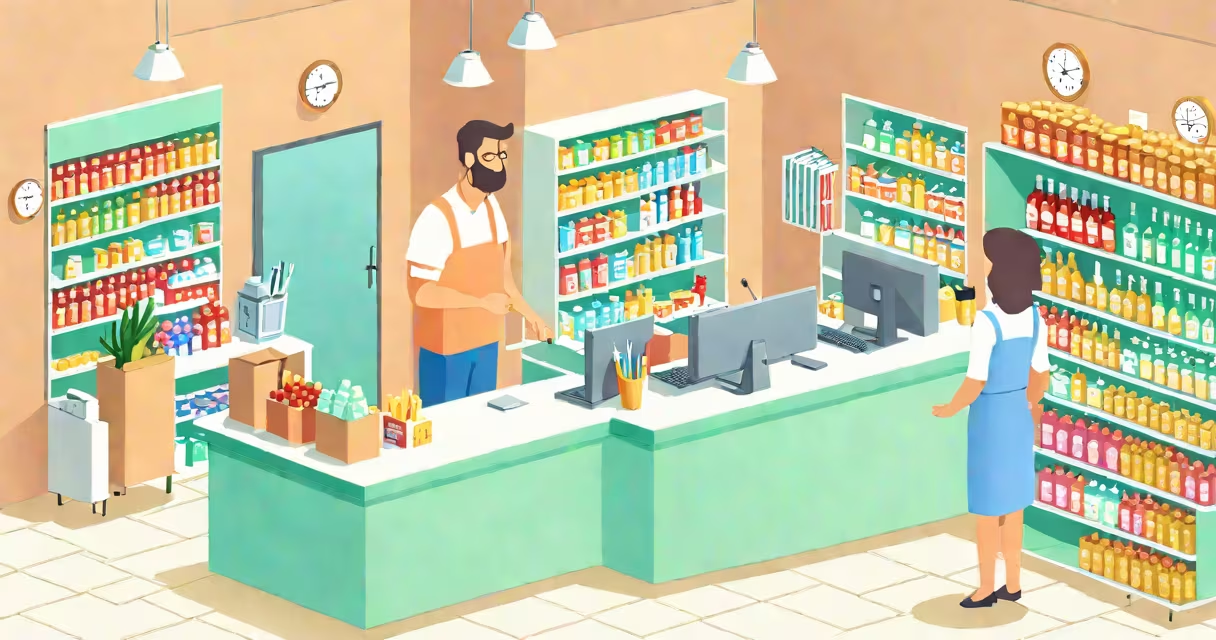
A proprietorship is a business owned and operated by a single individual who assumes all risks and responsibilities. This structure is common among small businesses, freelancers, and independent contractors.
The owner, called a sole proprietor, has complete control over business decisions, profits, and liabilities. The business is not legally separate from the owner, meaning personal assets can be used to cover business debts. This simplicity makes proprietorships easy to establish and manage, often requiring minimal paperwork.
Proprietorships can operate in various industries, including retail, consulting, and service-based businesses. Examples include:
Many confuse proprietorships with partnerships or corporations. Unlike partnerships, which involve multiple owners, a proprietorship has only one owner. Unlike corporations, proprietorships do not offer limited liability protection, meaning the owner's personal assets are at risk if the business faces legal issues or debts.
Another misconception is that proprietorships cannot grow. While they start small, many proprietors scale their businesses over time. For instance, a local bakery might expand to multiple locations or add online ordering, transitioning into a larger business structure like an LLC or corporation.
When I ran a small graphic design business, I experienced the benefits and challenges of proprietorship firsthand. The flexibility to make quick decisions was invaluable, but the responsibility of handling all aspects-from client communication to tax filings-was demanding. Understanding the meaning of proprietorship helped me go through these challenges effectively.
For more on business structures, see our guide on the meaning of N-1.