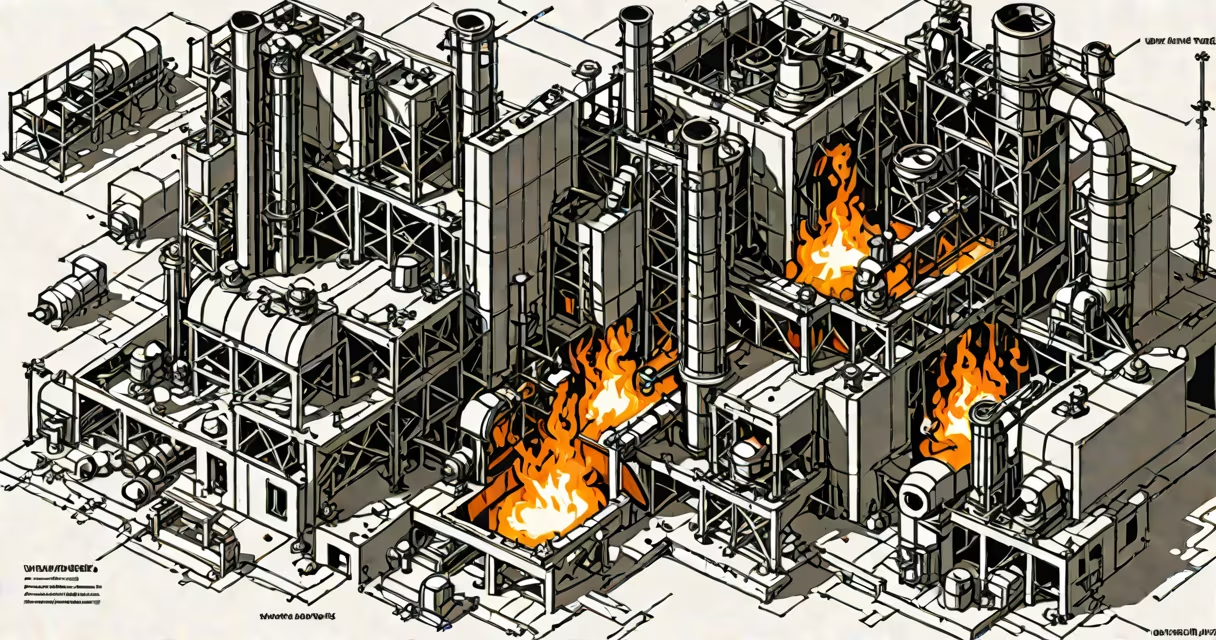
Steel is made primarily from iron ore, carbon, and small amounts of other alloying elements. The process transforms raw materials into a strong, versatile metal used in construction, manufacturing, and infrastructure.
The main components used to make steel are:
According to the World Steel Association, iron ore accounts for about 70% of the raw materials used in steel production.
The most common method for producing steel is the basic oxygen furnace (BOF) process. This involves several steps:
For example, a typical blast furnace can produce around 10,000 tons of molten iron per day, which is then converted into steel.
Steel can be classified based on its carbon content and alloying elements:
| Type | Carbon Content (%) | Common Uses |
|---|---|---|
| Mild (low-carbon) steel | 0.05-0.3% | Construction materials, car bodies, pipes |
| Medium-carbon steel | 0.3-0.6% | Rails, machinery parts, vehicles |
| High-carbon steel | 0.6-1.0% | Cutting tools, springs, blades |
| Stainless steel | 0.03-1.0% | Kitchenware, medical instruments, industrial equipment |
Stainless steel, for instance, contains at least 10.5% chromium, which provides corrosion resistance.
Many people confuse steel with wrought iron or cast iron. While all three contain iron, steel has a lower carbon content than cast iron and is more malleable. Wrought iron, historically used in construction, is nearly pure iron with very low carbon content.
Another misconception is that steel production is solely reliant on new iron ore. In reality, scrap steel is widely recycled and used in steelmaking, reducing the need for virgin materials. According to the International Resource Panel, global steel recycling rates exceed 30%.
I visited a steel mill where I observed the BOF process firsthand. The furnace was a towering structure, and the intense heat and sparks were awe-inspiring. Workers carefully monitored the chemical composition of the molten steel to ensure it met the required specifications for construction beams.
This experience highlighted the precision and expertise required in steel production, from raw material selection to final product quality control.
Understanding what is used to make steel reveals a complex process involving iron ore, carbon, and alloying elements. The resulting material is essential for modern infrastructure and industry, showcasing the importance of precise steelmaking techniques.