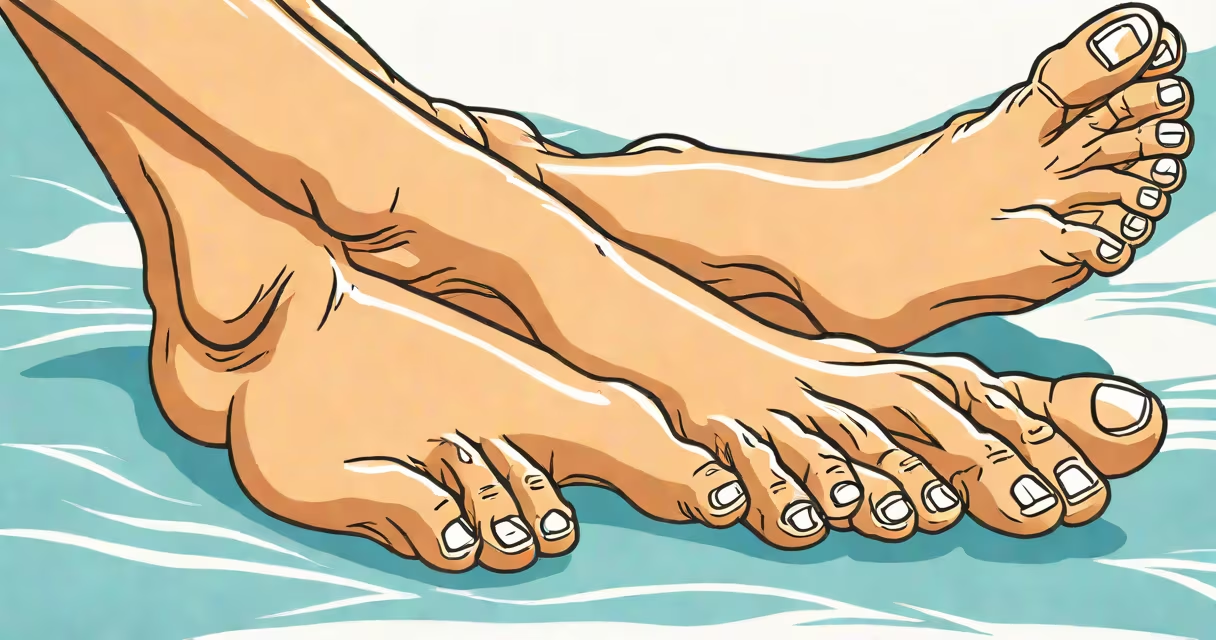
A bunion is a bony bump that forms at the base of your big toe joint when bones misalign, causing the joint to protrude. Wearing tight shoes, high heels, or shoes with narrow toe boxes can make bunions worse by putting pressure on the joint and pushing the big toe out of alignment.
Bunions form when the first metatarsal bone angles outward and the big toe points toward the second toe. This misalignment creates a bump on the side of the foot. The exact cause is often unknown, but factors like genetics, foot injuries, and arthritis can contribute.
| Footwear Type | Why It's Problematic |
|---|---|
| High Heels | They force the toes into a pointed position, increasing pressure on the bunion. |
| Narrow Toe Boxes | They squeeze the toes together, pushing the big toe outward. |
| Flat Shoes Without Arch Support | They fail to support the foot's natural arch, leading to improper alignment. |
Beyond footwear, other factors can exacerbate bunions. Conditions like rheumatoid arthritis or osteoarthritis can worsen bunions by weakening the joints and ligaments. Overpronation, where the foot rolls inward excessively while walking, can also increase pressure on the big toe joint, making bunions worse.
Repetitive stress on the feet, such as standing for long periods or engaging in activities that involve running or jumping, can further aggravate bunions. Even genetic predisposition plays a role, as some people are naturally more prone to developing bunions due to their foot structure.
Many people believe that bunions are solely caused by wearing tight shoes. While footwear plays a significant role, genetics and underlying conditions like arthritis are also major contributors. Another misconception is that bunions only affect older adults. While they are more common in older individuals, younger people can develop them as well, especially if they have a family history of bunions or engage in activities that put excessive pressure on their feet.
I once worked with a client who had severe bunion pain. She switched to wider, supportive shoes and noticed a significant reduction in discomfort. This highlights the importance of choosing the right footwear to manage bunion pain effectively.
To prevent bunions from getting worse, opt for shoes with a wide toe box and good arch support. Avoid high heels whenever possible, and consider using orthotic inserts to improve foot alignment. Regularly stretching the feet and toes can also help maintain flexibility and reduce pressure on the bunion.
If bunions become painful or interfere with daily activities, consulting a podiatrist is essential. A podiatrist can recommend treatments such as padding, medication, or surgery to alleviate pain and correct the deformity. Early intervention can prevent further worsening and improve long-term foot health.