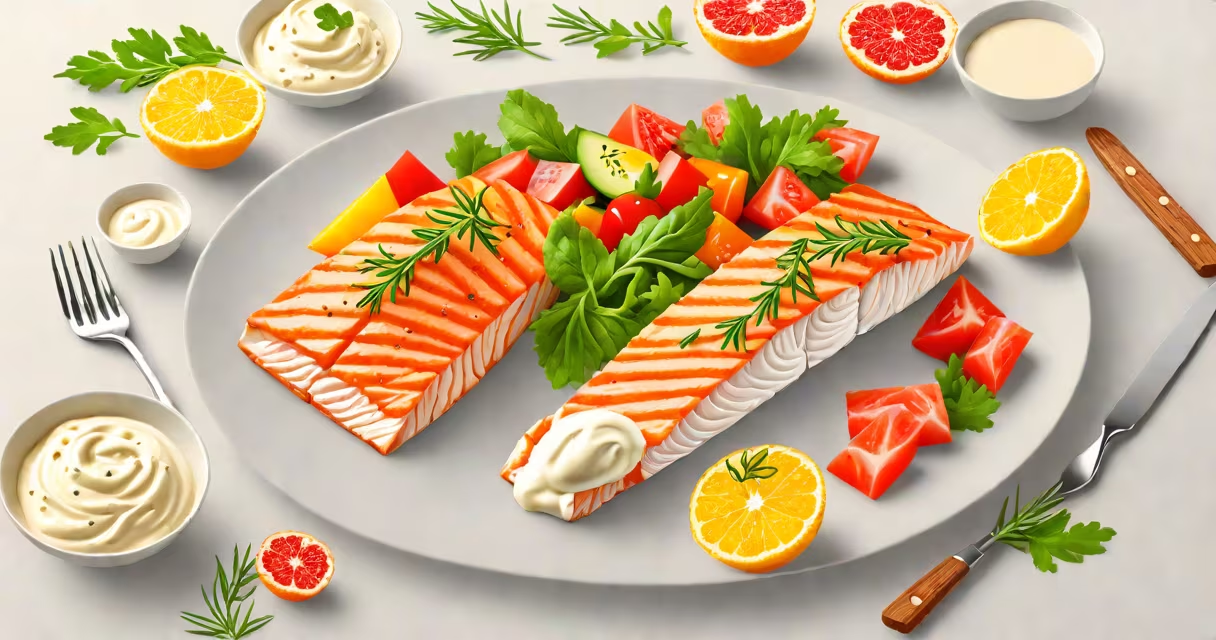
To lose weight, prioritize lean protein sources like chicken breast, egg whites, and Greek yogurt. These foods support muscle retention while creating a calorie deficit.
The best proteins for weight loss share three traits: high protein density, low calorie content, and minimal added fats or sugars. The Journal of the Academy of Nutrition and Dietetics confirms that protein increases satiety and reduces calorie intake.
Protein requires more energy to digest than carbs or fats, a process called the thermic effect of food. This burns extra calories automatically. Protein also preserves lean muscle mass during calorie deficits, which keeps metabolism efficient.
| Protein Source | Calories (per 100g) | Protein (per 100g) |
|---|---|---|
| Chicken breast (skinless) | 165 | 31g |
| Egg whites | 52 | 11g |
| Greek yogurt (non-fat) | 59 | 10g |
| Salmon (wild) | 208 | 20g |
| Lean beef (95% lean) | 213 | 28g |
Notice that salmon and lean beef have higher calories but also provide healthy fats and micronutrients. These can still fit into a weight-loss plan when portioned correctly.
Many assume all protein sources are equally effective for weight loss. However, processed proteins like deli meats often contain added sodium and preservatives that cause water retention and bloating. Stick to whole-food protein sources whenever possible.
Another mistake is overloading on protein powders. While convenient, these often contain fillers and added sugars. Whole foods provide additional fiber and nutrients missing from supplements.
For lunch, try a 5-ounce grilled chicken breast (165 calories, 31g protein) with steamed vegetables. This meal keeps you full while staying under 300 calories. Pair it with a side salad dressed with lemon juice and olive oil for extra flavor without excess calories.
If you're struggling with hunger between meals, Greek yogurt with berries makes an excellent snack. The protein and fiber combination curbs cravings effectively.
If you're allergic to common protein sources or follow a plant-based diet, explore alternatives like tofu, tempeh, or lentils. These also provide high-quality protein with lower calorie counts. Just ensure you're getting complete proteins by combining different plant sources throughout the day.
Monitor portion sizes to avoid overeating, even with healthy proteins. Use a food scale initially to train your eye for proper serving sizes. Over time, you'll develop better intuition for appropriate portions.