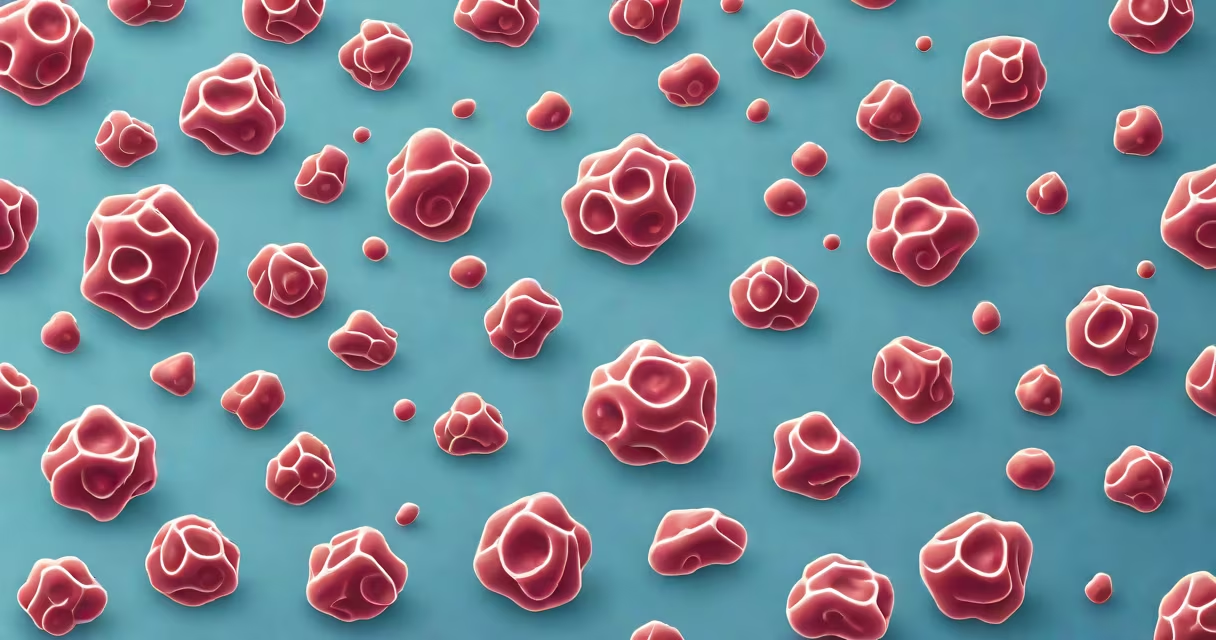
Neutrophils are a type of white blood cell that fights infections, and their normal range is 1,500-8,000 cells per microliter of blood. These cells play a important role in your immune system by identifying and destroying bacteria and other pathogens.
Neutrophils are produced in the bone marrow and released into the bloodstream. When they detect an infection, they move toward the site of infection through a process called chemotaxis. Once there, they engulf and destroy invading microorganisms using enzymes and reactive oxygen species.
Neutrophils exist in different forms, including segmented neutrophils (the most common type) and band neutrophils (younger cells). Segmented neutrophils have a multi-lobed nucleus, while band neutrophils have a nucleus that is not fully segmented.
| Type | Description | Normal Range |
|---|---|---|
| Segmented Neutrophils | Mature neutrophils with a multi-lobed nucleus | 1,500-8,000 cells/µL |
| Band Neutrophils | Younger neutrophils with an unsegmented nucleus | 0-100 cells/µL |
Neutrophils are primarily found in the bloodstream and tissues. They are recruited to sites of infection or injury, where they help to clear pathogens and initiate the healing process. Neutrophils are also involved in inflammation, helping to contain and resolve infections.
One common misconception is that higher neutrophil counts always indicate better immune function. However, elevated neutrophil counts (neutrophilia) can occur due to infections, inflammation, stress, or certain medications. Conversely, low neutrophil counts (neutropenia) can result from viral infections, chemotherapy, or autoimmune disorders, making individuals more susceptible to infections.
Another misconception is that neutrophils only fight bacterial infections. While they are effective against bacteria, they also play a role in responding to fungal infections and can contribute to the immune response against viruses, although their primary function is still bacterial defense.
Neutrophils are not directly involved in hair growth, but chronic inflammation or infections that affect neutrophil levels can indirectly impact hair health. For example, conditions like alopecia areata, which involves immune system attacks on hair follicles, may be influenced by immune cell activity, including neutrophils. Understanding the role of neutrophils in inflammation can provide insights into how immune responses affect various body systems, including hair growth.
Abnormal neutrophil counts can indicate underlying health issues. Elevated counts (neutrophilia) may suggest bacterial infections, inflammation, or stress, while low counts (neutropenia) can result from viral infections, bone marrow disorders, or certain medications. Monitoring neutrophil levels can help diagnose and manage these conditions.
For instance, a patient with a bacterial infection might have a neutrophil count of 12,000 cells/µL, indicating the body's response to the infection. However, a patient undergoing chemotherapy might have a neutrophil count of 800 cells/µL, indicating a weakened immune system and increased risk of infection.
During a recent medical check-up, I had my complete blood count (CBC) tested. My neutrophil count was within the normal range, which gave me reassurance about my immune system's readiness to fight infections. This experience highlighted the importance of regular blood tests in monitoring health.