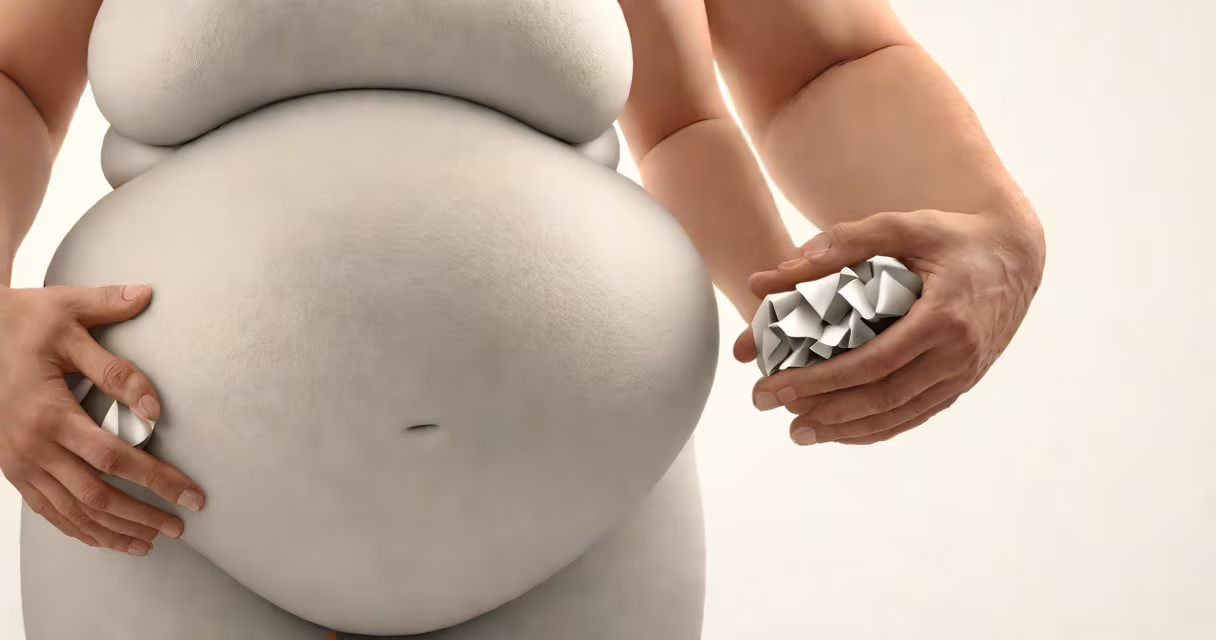
Sudden bloating happens when your stomach swells due to trapped gas, fluid retention, or digestive disturbances. Common triggers include overeating, food intolerances, or hormonal fluctuations.
How Bloating Works
Your digestive system expands to accommodate food, gas, or excess water. When this process is disrupted, bloating occurs. The sensation is often uncomfortable but usually temporary.
Main Causes of Sudden Bloating
Most cases stem from dietary habits, digestive issues, or lifestyle factors. Here are the primary culprits:
Food Intolerances: Lactose, gluten, or high-FODMAP foods (fermentable carbs) can cause bloating in sensitive individuals.
Overeating: Consuming large meals too quickly overwhelms digestion, leading to swelling.
Carbonated Drinks: Soda and sparkling water introduce extra air into the stomach.
Hormonal Changes: Menstruation or menopause can cause water retention and bloating.
Digestive Disorders: Conditions like irritable bowel syndrome (IBS) or small intestinal bacterial overgrowth (SIBO) often lead to chronic bloating.
When to See a Doctor
If bloating persists for days or is accompanied by severe pain, weight loss, or blood in stool, consult a doctor. These symptoms may indicate a serious condition like ovarian cysts or celiac disease.
Quick Fixes for Bloating
Most cases resolve within hours, but these steps can help:
Hydrate: Drink water to flush out excess sodium, which reduces water retention.
Move: Light exercise like walking stimulates digestion and relieves gas.
Peppermint Tea: This herbal remedy relaxes digestive muscles and eases bloating.
Avoid Chewing Gum: Swallowing excess air worsens bloating.
For persistent bloating, consider keeping a food diary to identify triggers. If symptoms worsen, consult a healthcare provider for further evaluation.