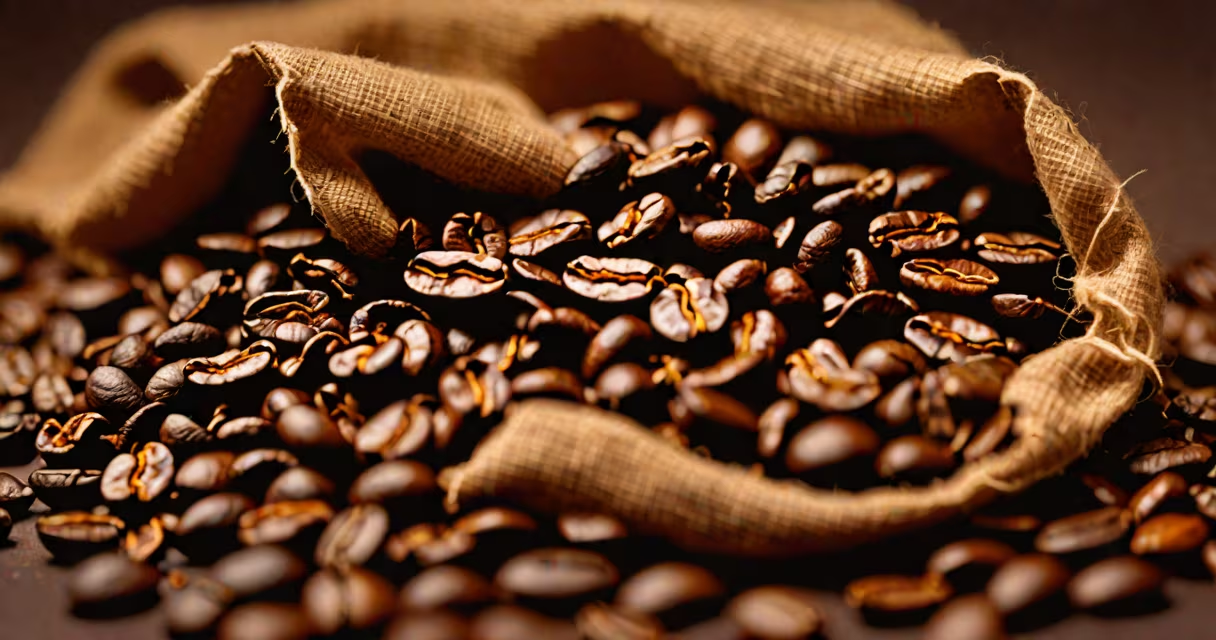
Best coffee beans matter because they contain higher concentrations of flavor compounds, leading to richer, more complex flavors in your cup. Premium beans are typically fresher, better stored, and sourced from ideal growing regions.
Coffee flavor develops from compounds formed during roasting. The best coffee beans have a balanced ratio of sugars, acids, and aromatic oils. For example, Ethiopian Yirgacheffe beans are known for their bright, floral notes due to their high-altitude growing conditions.
| Type | Flavor Profile | Growing Region |
|---|---|---|
| Arabica | Complex, sweet, fruity | Latin America, East Africa, Asia-Pacific |
| Robusta | Strong, bitter, earthy | West and Central Africa, Southeast Asia |
Coffee beans lose freshness quickly after roasting. The best coffee beans are usually roasted within the past two weeks. For instance, a bag of freshly roasted Guatemalan Antigua beans will taste brighter and more vibrant than stale beans.
Many assume darker roasts are stronger, but this is a misconception. Dark roasts often mask the bean's natural flavors. Lighter roasts, such as those from Colombian Huila beans, preserve the bean's unique characteristics.
I once brewed a side-by-side comparison using two-month-old beans and freshly roasted beans from the same origin. The difference was striking-the fresher beans had a more pronounced acidity and a sweeter finish.
The best coffee beans improve your brew by providing richer, more detailed flavors. Choosing fresh, high-quality beans and storing them properly makes a noticeable difference in taste.