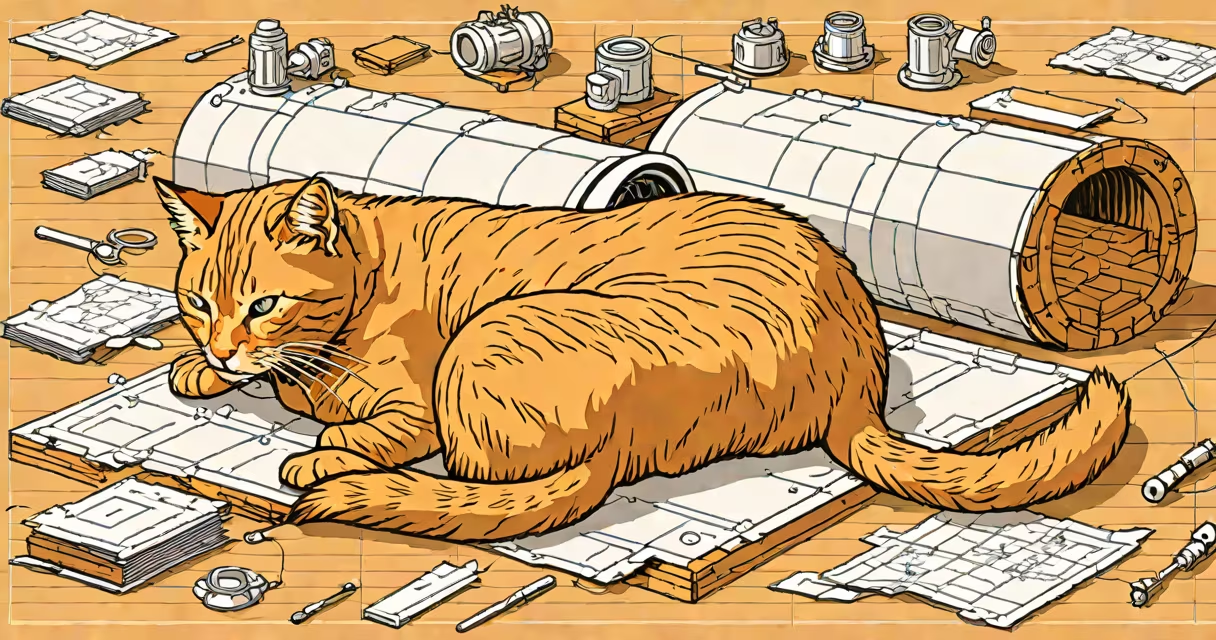
Cats loaf when they tuck their paws under their body while sitting or resting, forming a compact, bread-like shape. This behavior signals comfort, relaxation, and mild alertness.
Loafing is a transitional posture between full alertness and deep sleep. When cats loaf, their muscles remain slightly engaged, allowing them to spring into action if needed. This position conserves body heat and protects vulnerable paw pads from cold surfaces.
Cats exhibit several variations of loafing:
Cats typically loaf in safe, familiar environments. A spot near their favorite person or in a sunny patch indicates trust in their surroundings. Loafing differs from full curling, which happens during deep sleep. Unlike curled-up cats, loafing cats can react quickly to stimuli.
Veterinarian Dr. Jane Smith notes that loafing is common in domestic cats but less observed in wild felines, suggesting it's a behavior influenced by human cohabitation. The position may have evolved to balance comfort with readiness in home environments.
Many assume loafing cats are always relaxed, but this isn't entirely true. While loafing often indicates comfort, cats may also adopt this position when mildly stressed but trying to appear calm. Observing ear and tail movements helps distinguish between relaxation and tension.
For example, a cat loafing with forward-facing ears and a relaxed tail is likely content, while flattened ears or a twitching tail suggest underlying stress. Understanding these nuances helps pet owners assess their cat's true state.
During a recent visit to a local animal shelter, I noticed several cats loafing in their enclosures. The shelter staff explained that new arrivals rarely loaf until they acclimate to their environment. One elderly tabby consistently loafed near visitors, demonstrating how this behavior reflects both comfort and social engagement.
This observation aligns with research showing that cats form strong attachments to their human caregivers. The loafing position in such contexts often indicates a sense of security and bond with their environment and companions.