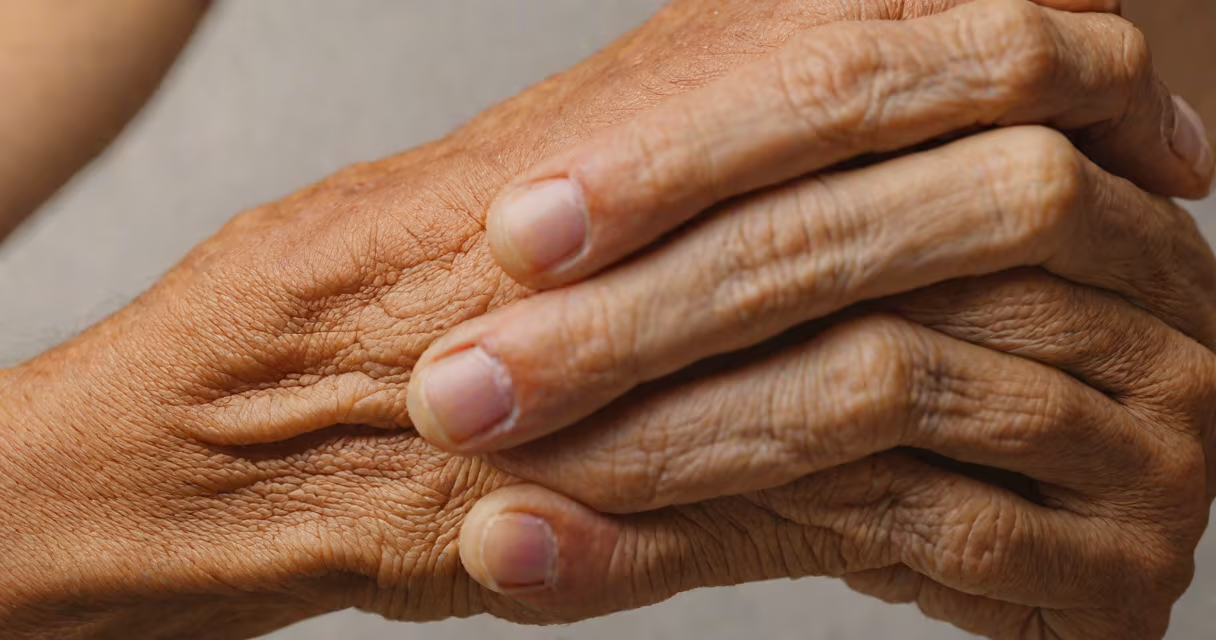
Elderly people bruise easily because their skin becomes thinner and more fragile as they age, while blood vessels under the skin grow more delicate and prone to rupture. These changes occur due to reduced collagen production, loss of fat padding, and weakening of connective tissues.
The outermost layer of skin, called the epidermis, thins with age. This makes it more susceptible to injury. The dermis, which contains collagen and elastin fibers, also weakens. Collagen production declines by about 1% per year after age 20, according to the American Academy of Dermatology. By age 70, skin may have lost up to 50% of its collagen.
| Change | Effect on Bruising |
|---|---|
| Thinner epidermis | Less protection against minor impacts |
| Reduced subcutaneous fat | Less cushioning for blood vessels |
| Weaker blood vessel walls | More likely to break and leak blood |
Many people assume bruising is always a sign of trauma or abuse in elderly individuals. While injuries can cause bruises, many seniors develop bruises from normal daily activities like bumping into furniture or even gentle pressure. A study in the Journal of the American Geriatrics Society found that 25% of seniors reported unexplained bruising monthly.
I noticed this pattern firsthand when caring for my grandmother. She developed several large bruises on her arms after a routine blood draw, something that wouldn't have happened when she was younger. The phlebotomist had to be extra careful with her subsequent visits.
For a deeper understanding of why people of all ages might bruise easily, see why do u bruise easily.