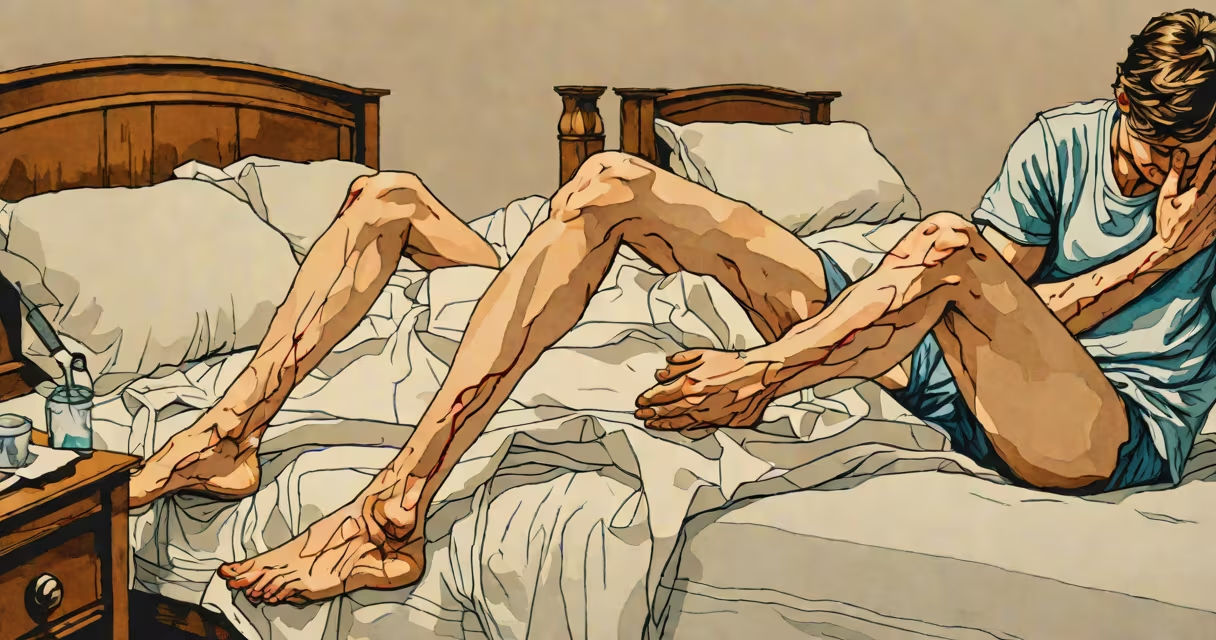
Leg pain that worsens at night often results from reduced circulation, nerve compression, or muscle fatigue that becomes more noticeable when lying down. Common causes include poor circulation, restless legs syndrome, or overexertion during the day.
At night, your body's position and reduced activity can exacerbate underlying issues. For example, lying down can compress nerves or reduce blood flow, making existing problems more noticeable. Muscle relaxation at night may also heighten sensitivity to pain signals.
| Type | Description | Common Causes |
|---|---|---|
| Restless Legs Syndrome (RLS) | Uncomfortable sensations and urge to move legs | Iron deficiency, genetics, peripheral neuropathy |
| Night Leg Cramps | Sudden, painful muscle contractions | Dehydration, electrolyte imbalance, overexertion |
| Peripheral Neuropathy | Nerve damage causing tingling or burning pain | Diabetes, vitamin deficiencies, alcohol abuse |
| Poor Circulation | Aching or heavy sensation in legs | Varicose veins, deep vein thrombosis, heart conditions |
Nighttime leg pain affects people of all ages but becomes more common with age. It can disrupt sleep and reduce quality of life. According to the National Sleep Foundation, about 60% of adults experience leg cramps at night occasionally.
Many people assume nighttime leg pain is always due to overexertion or aging. However, it can also stem from underlying medical conditions like diabetes or anemia. Another misconception is that stretching alone can prevent all types of night leg pain. While stretching helps with muscle cramps, it won't address nerve-related pain or poor circulation.
I once experienced persistent night leg pain and initially attributed it to poor sleeping posture. After consulting a doctor, I learned it was due to an iron deficiency, which was corrected with supplements and dietary changes. This highlights the importance of seeking medical advice for persistent symptoms.