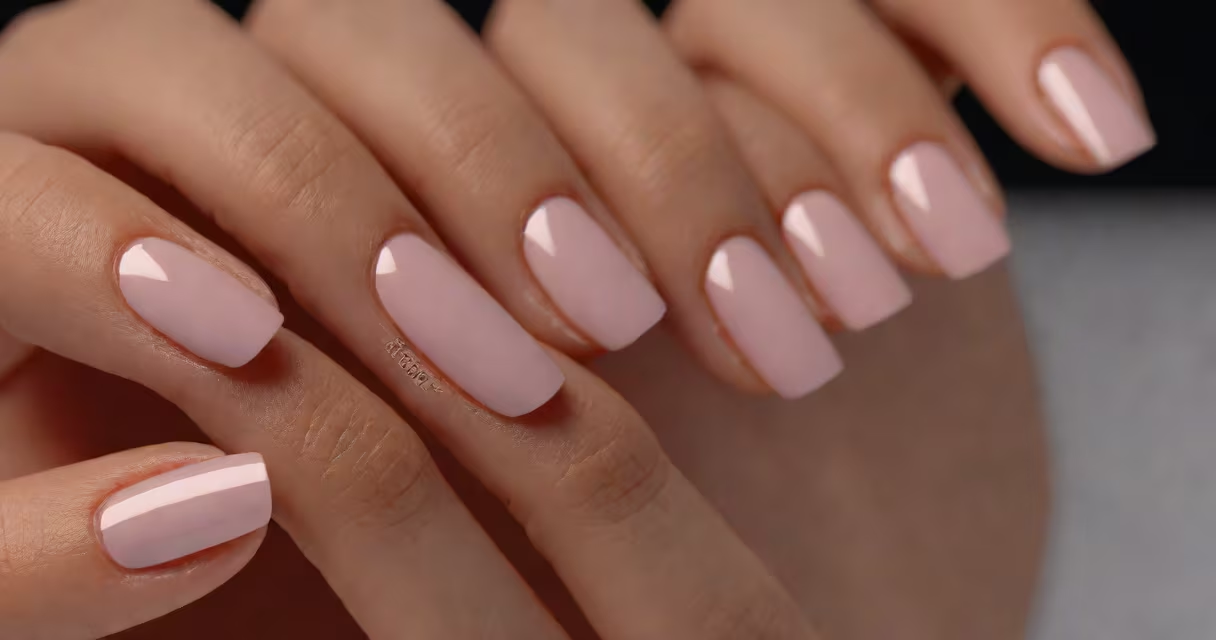
Dip powder manicures can cause nail pain due to improper application, excessive filing, or allergic reactions. The process involves multiple layers of adhesive and activator chemicals that may irritate the nail bed or surrounding skin.
A dip powder manicure bonds layers of colored acrylic powder to your natural nail using cyanoacrylate-based adhesives. Technicians apply a base coat, dip the nail into pigmented powder, then seal it with an activator. This creates a hard, durable layer resembling acrylic nails.
Pain typically results from:
Consult a dermatologist if you experience:
These symptoms may indicate paronychia or onycholysis, infections requiring medical treatment. According to the American Academy of Dermatology, proper nail care prevents most complications from cosmetic procedures.
To avoid pain:
I noticed less discomfort when my technician used a lower-activation adhesive formula. The difference in sensitivity was noticeable within 24 hours.
Dip powders create a protective barrier but don't strengthen natural nails. The American Association of Dermatologists recommends giving nails 3-6 months between enhancements to recover from trauma. During breaks, use strengthening treatments containing keratin or biotin to restore nail plate thickness.