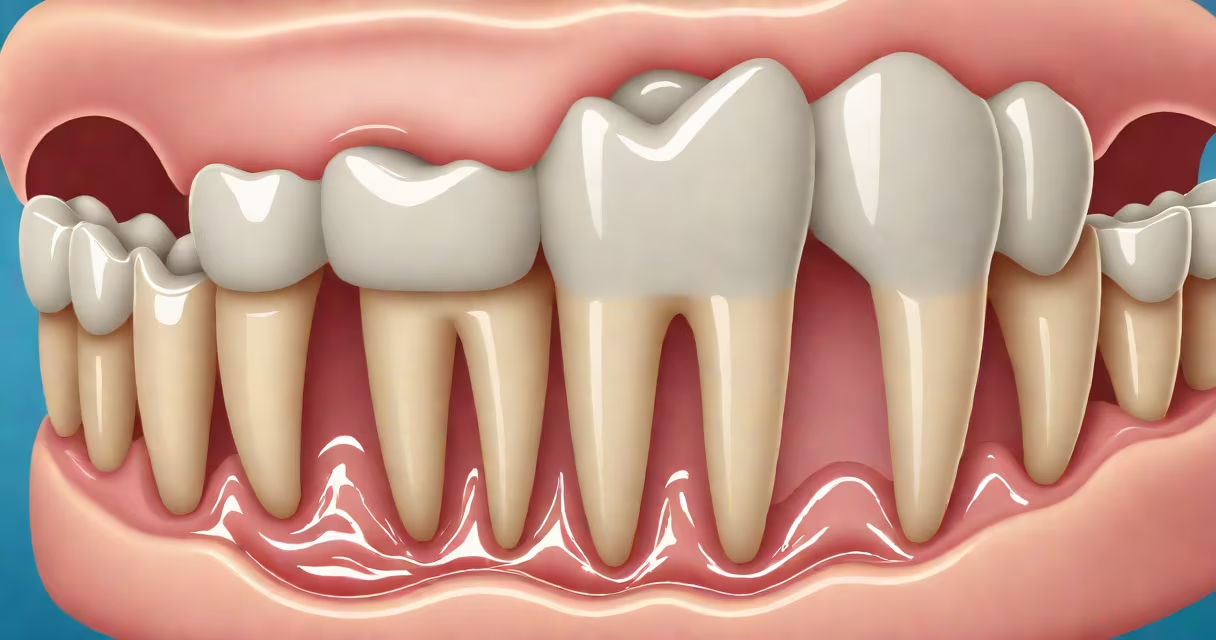
Cold sensitivity occurs when hot or cold foods and drinks trigger sudden, sharp pain in your teeth. This happens because exposed dentin-the layer beneath your tooth enamel-contains tiny tubes leading to nerve endings. When cold temperatures hit these exposed areas, they stimulate the nerves, causing pain.
Your teeth have multiple layers, including the outer enamel, which protects the inner dentin and pulp. When enamel wears away, it exposes the dentin, making your teeth more sensitive to temperature changes. Cold substances cause the fluid inside the dentin tubules to move rapidly, irritating the nerves and triggering pain.
Several factors can lead to tooth sensitivity:
If your tooth sensitivity persists or worsens, it's important to see a dentist. Chronic sensitivity could indicate underlying issues like cavities, gum disease, or cracked teeth. A dentist can diagnose the problem and recommend treatments such as fluoride applications, desensitizing agents, or fillings.
To manage cold sensitivity at home, try these tips:
If you're experiencing persistent tooth sensitivity, consider visiting a dentist to rule out more serious issues. For more information on why your teeth hurt, see here.