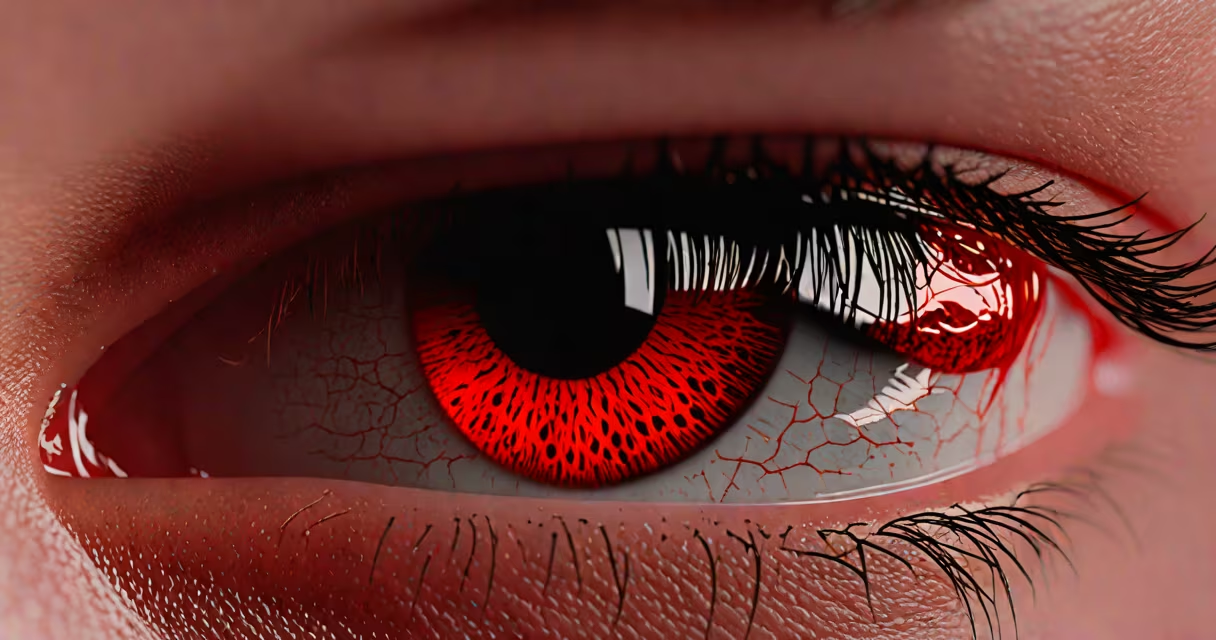
A red eye occurs when tiny blood vessels on the surface of your eye expand, making the white part appear red or bloodshot. This happens due to irritation, infection, or allergies.
The conjunctiva, a thin layer covering the white part of your eye, contains many small blood vessels. When irritated, these vessels widen to allow more blood flow, which makes them more visible and gives your eye a red appearance. This is your body's way of signaling that something is wrong.
Red eyes have several possible causes, ranging. Here are the most common:
Most cases of red eyes are harmless and resolve on their own. However, see a doctor if you experience:
Many people assume that red eyes are always caused by tiredness or lack of sleep. While fatigue can contribute, other factors like allergies or infections are often the real culprits. Another mistake is assuming that red eyes will always go away on their own-some cases require medical attention.
To reduce the risk of red eyes, follow these tips:
If you notice that the pupil of your eye is red, it could indicate a more serious issue. Find out more about red pupils and what they mean.
Red eyes are usually not a cause for concern, but persistent or severe cases should be evaluated by a healthcare professional. Understanding the causes and taking preventive measures can help keep your eyes healthy.
For more details on why your eye is red, visit common reasons for red eyes.