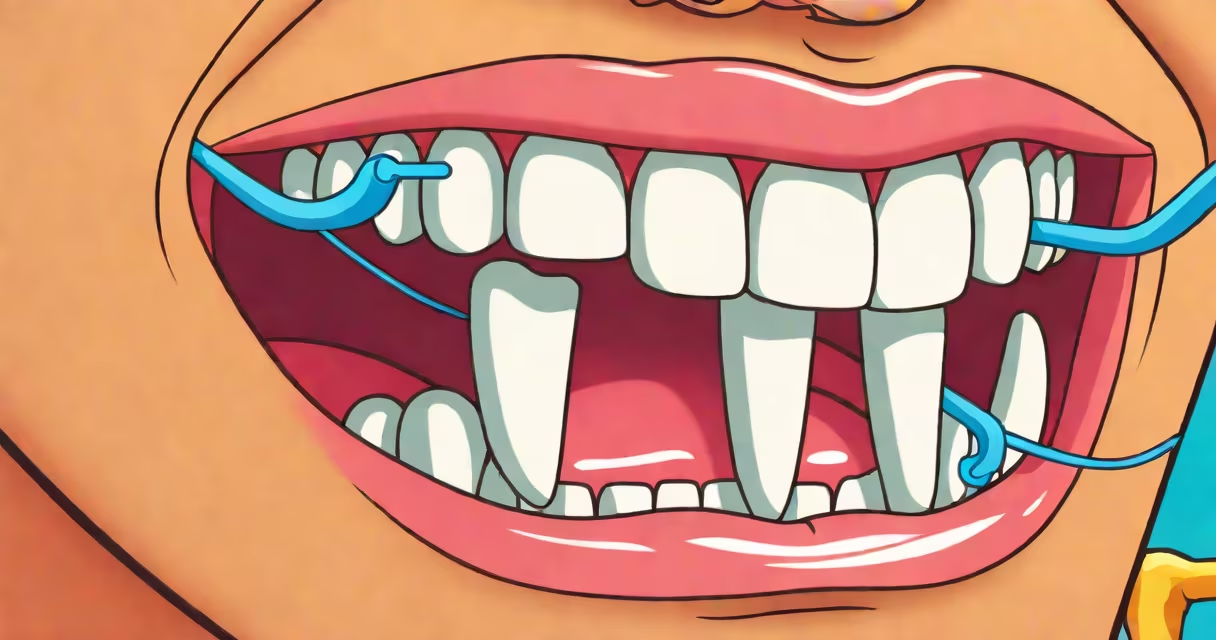
Flossing removes plaque and food particles between teeth that brushing misses, preventing cavities and gum disease. The American Dental Association (ADA) recommends daily flossing for optimal oral health.
Flossing physically disrupts bacterial colonies between teeth. A study in the Journal of Clinical Dentistry found that flossing reduces plaque by 40% more than brushing alone. The friction between floss fibers and teeth lifts away debris while stimulating gum tissue.
| Type | Best For |
|---|---|
| Waxed | Tight spaces, those who prefer glide |
| Unwaxed | Wider spaces, those who prefer texture |
| Tape | Sensitive gums, gentle cleaning |
| Water flossers | Implants, orthodontics, limited dexterity |
Many believe mouthwash replaces flossing, but the ADA states that mouthwash cannot remove physical debris. Another myth is that bleeding gums mean you should stop flossing - actually, consistent flossing helps reduce bleeding within 10-14 days according to periodontal research.
I noticed significant improvement in my gum health after consistently flossing before bed for two weeks. The space between my teeth felt cleaner and my gums appeared less inflamed during morning brushing.
Brushing cleans tooth surfaces but can't reach 40% of tooth surfaces that flossing accesses. A 2015 study in the Journal of Periodontology showed that flossing before brushing removes 51% more plaque than brushing first.
The best time is before bed to remove bacteria that feeds overnight. Morning flossing helps dislodge food particles from sleep. Those with orthodontic appliances should floss after each meal to prevent plaque buildup around brackets.
For proper technique, use 18 inches of floss, winding most around middle fingers. Gently slide between teeth using a back-and-forth motion, curving floss around each tooth in a C-shape. Don't snap floss between teeth - this can damage gums.
Pregnant women should floss daily as hormonal changes increase gum sensitivity. Diabetics benefit especially from flossing as they're more prone to gum infections. Those undergoing chemotherapy may experience dry mouth and should use waxed floss to prevent irritation.
While electric toothbrushes improve brushing effectiveness, they still can't replace flossing. The ADA recommends water flossers as effective alternatives for those with limited manual dexterity or dental work that makes traditional flossing difficult.
To maintain oral health, combine daily flossing with twice-daily brushing and regular dental checkups. Proper flossing technique removes plaque that brushing can't reach, preventing cavities and gum disease while promoting health.