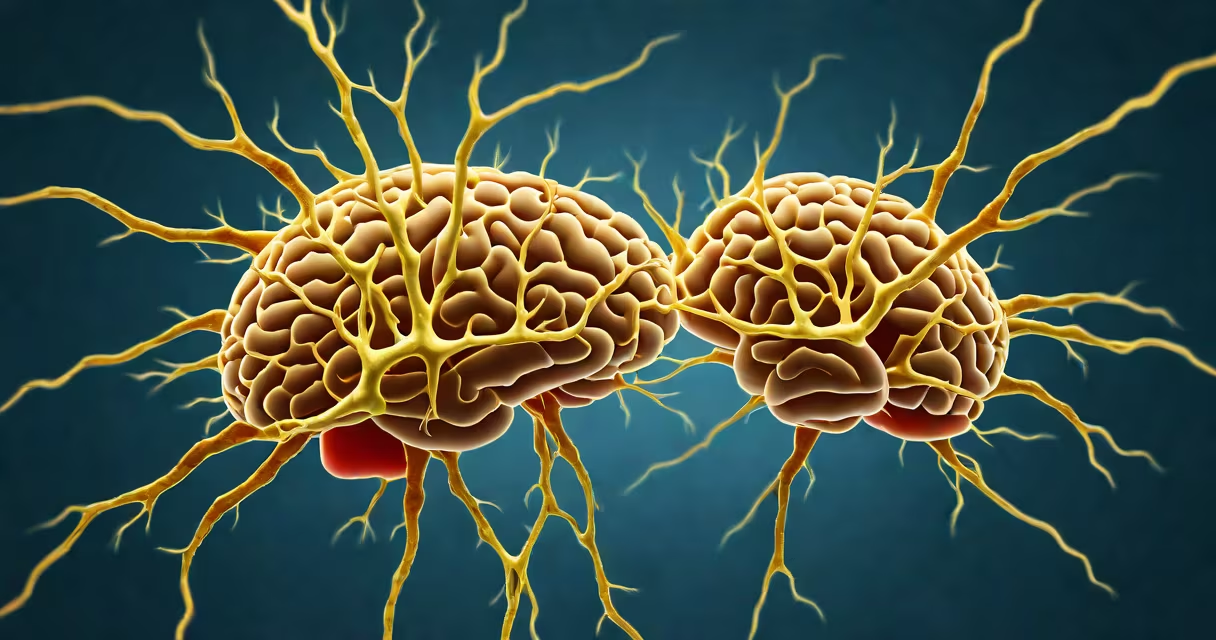
Seizures occur when abnormal electrical activity disrupts normal brain function, causing temporary changes in movement, behavior, consciousness, or sensation. This disruption happens due to sudden, excessive, or synchronous firing of neurons in the brain.
Neurons communicate through electrical signals. Normally, these signals are balanced and regulated. During a seizure, this balance is disrupted, causing neurons to fire rapidly and uncontrollably. The result is a temporary malfunction in the affected brain area.
The severity of symptoms depends on which part of the brain is affected and how widespread the abnormal activity is. For example, a seizure in the motor cortex might cause jerking movements, while one in the temporal lobe could alter consciousness.
| Type | Description | Common Symptoms |
|---|---|---|
| Generalized Seizures | Affect both sides of the brain | Loss of consciousness, muscle stiffness, jerking movements |
| Focal Seizures | Start in one part of the brain | Confusion, unusual sensations, repetitive movements |
| Absence Seizures | Brief periods of unconsciousness | Staring blankly, minor body movements |
Seizures can be caused by various factors, including genetic predisposition, head injuries, infections, or developmental disorders. Epilepsy, a chronic condition characterized by recurrent seizures, accounts for about half of all seizure cases.
Other causes include:
Sometimes, the exact cause of a seizure remains unknown, even after extensive testing.
One common misconception is that seizures always involve violent convulsions. In reality, many seizures are subtle, such as brief lapses in attention or unusual sensations. Another myth is that people with seizures should have something placed in their mouth to prevent biting their tongue. This is dangerous and unnecessary.
I once witnessed a seizure firsthand during a public event. The person experienced a focal seizure, appearing confused and disoriented for a few minutes. Understanding what was happening helped me stay calm and assist them safely until medical help arrived.
Seek immediate medical attention if someone experiences a seizure lasting longer than five minutes, has difficulty breathing afterward, or injures themselves during the seizure. A doctor can perform tests to determine the cause and recommend appropriate treatment.
For recurrent seizures, treatments may include medications, lifestyle changes, or surgery in severe cases. Early diagnosis and treatment can improve quality of life for those affected.