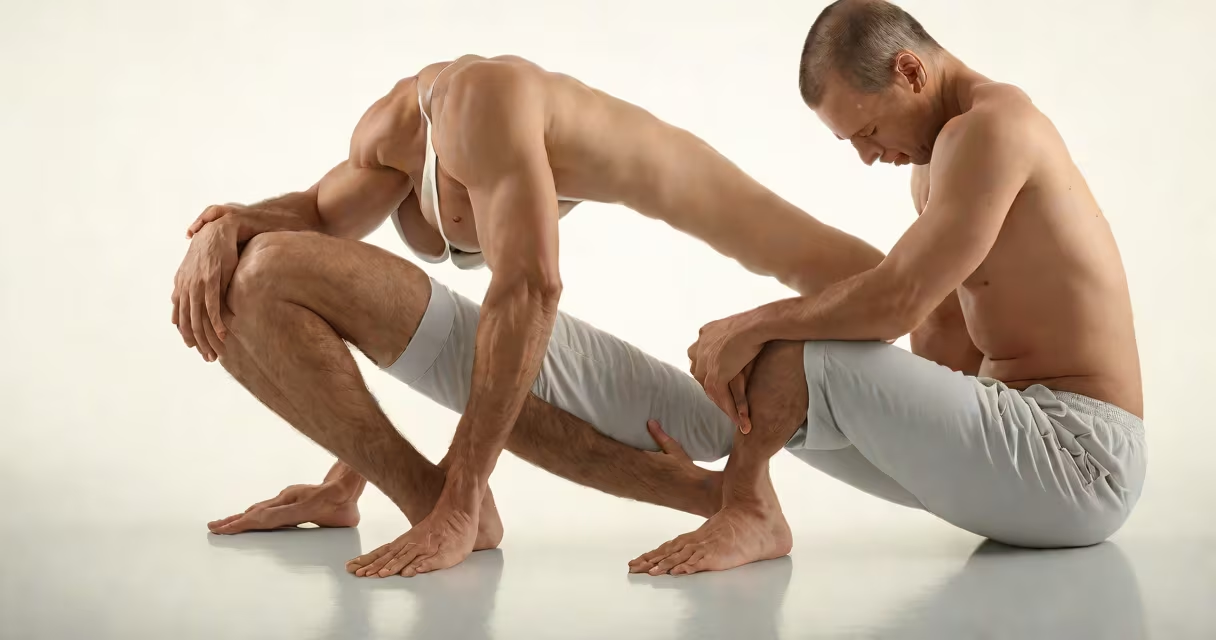
Extremely tight hips refer to a condition where the muscles, tendons, and ligaments around the hip joint have become excessively stiff, reducing their range of motion. This often results from prolonged sitting, lack of physical activity, or overuse.
The hip joint is a ball-and-socket structure designed for many movement. When the surrounding muscles and tissues become tight, they restrict this movement, leading to discomfort and potential injury. The primary muscles affected include the hip flexors, gluteal muscles, and hamstrings.
Several factors contribute to extremely tight hips:
Symptoms of extremely tight hips include:
To alleviate and prevent extremely tight hips, consider the following strategies:
One common myth is that extremely tight hips are solely due to aging. While age can contribute to muscle stiffness, lifestyle factors like sitting and lack of exercise play a more significant role. Another misconception is that stretching alone can fix tight hips. While stretching is essential, combining it with strength training and posture correction yields the best results.
I noticed significant improvements in my hip flexibility after incorporating daily stretching routines and adjusting my sitting posture. Simple changes, such as using a standing desk and taking short walking breaks, made a noticeable difference in my comfort and mobility.