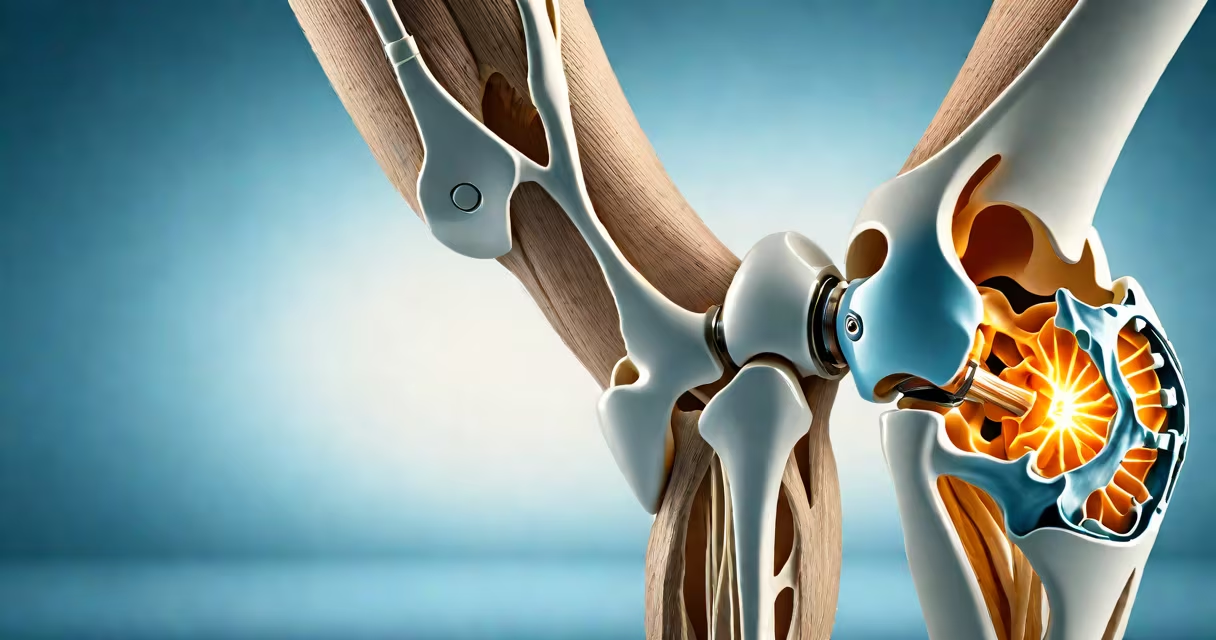
An ACL tear feels like a sudden, sharp pain in the knee followed by instability, swelling, and difficulty bearing weight. The anterior cruciate ligament (ACL) connects your thigh bone to your shin bone, and tearing it disrupts knee stability.
Most people describe the initial feeling as a "pop" or "crack" during a sudden twist, pivot, or impact. This is often followed by intense pain that radiates throughout the knee joint. Many report feeling their knee "give out" or collapse immediately after the injury.
After the initial trauma, several key symptoms develop:
Unlike minor sprains, an ACL tear doesn't typically cause bruising. The swelling comes from bleeding within the joint rather than surface tissue damage.
| Type | Description | Typical Sensation |
|---|---|---|
| Grade I (Mild) | Ligament stretched but intact | Minimal pain, slight instability |
| Grade II (Moderate) | Partial tear | Moderate pain, noticeable instability |
| Grade III (Severe) | Complete tear | Severe pain, complete loss of stability |
Complete tears (Grade III) account for about 70% of ACL injuries, according to the American Academy of Orthopaedic Surgeons.
Many people confuse ACL tears with meniscus tears or patellar dislocations. Unlike meniscus injuries, ACL tears don't typically cause localized tenderness along the joint line. And unlike patellar dislocations, they don't cause visible deformity.
I treated a Grade II tear through physical therapy alone. The first six weeks were the most challenging, with daily exercises to regain mobility and strength. After three months, I could walk normally, though it took nearly a year to return to sports activities.
See a doctor immediately if you experience:
Prompt diagnosis using MRI or arthroscopy is essential for proper treatment planning.