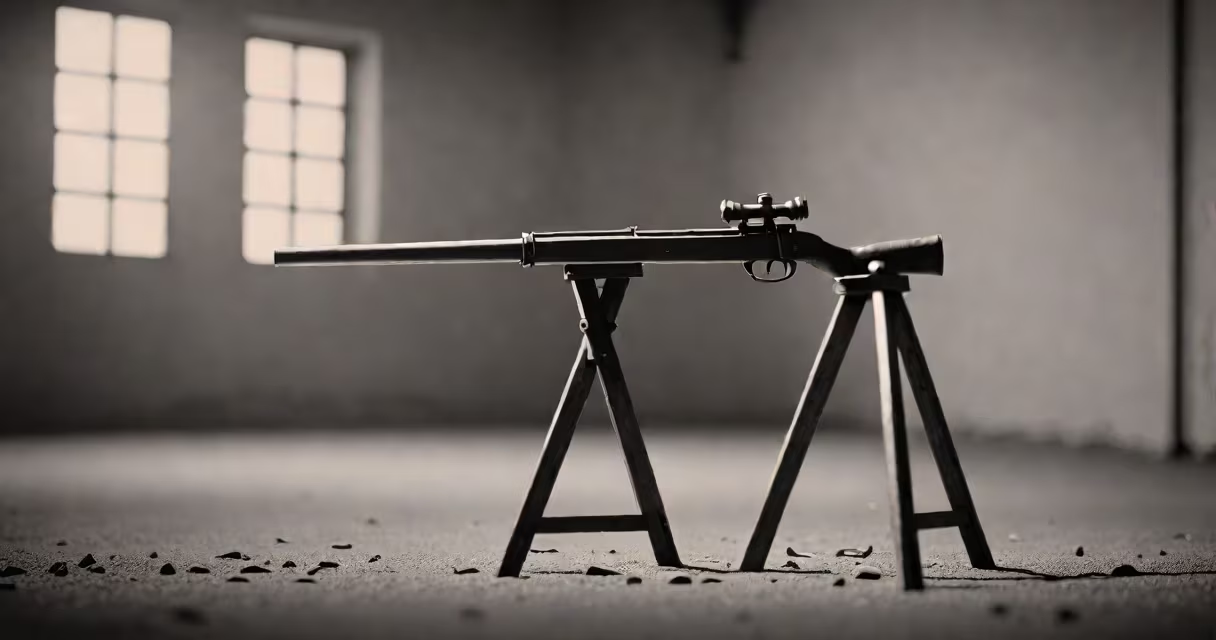
A firing squad death penalty involves executing a condemned prisoner by gunfire from multiple shooters. This method uses a team of trained marksmen who fire simultaneously at the prisoner, typically resulting in death within seconds. Firing squads have been used historically as a form of capital punishment and remain a legal execution method in some U.S. states.
The firing squad process begins with the prisoner being restrained to a chair or wooden post. A hood is placed over their head, and a target is positioned over their heart. The squad, usually consisting of five members, takes aim and fires simultaneously upon command. The prisoner dies quickly from the gunshot wounds, typically within 30 seconds.
Firing squads can vary slightly depending on jurisdiction, but they generally follow a similar structure:
| Component | Description |
|---|---|
| Squad Members | Typically five individuals, including four marksmen and one backup shooter. |
| Target | A small white circle placed over the prisoner's heart to ensure accuracy. |
| Blindfold | A cloth covering the prisoner's eyes to prevent them from seeing the squad. |
| Command Structure | A designated officer gives the commands to aim, fire, and cease fire. |
Firing squads were historically used in many countries, including the United States, during wartime and as a form of capital punishment. Today, only a few U.S. states, such as Utah, retain the firing squad as a secondary method of execution when lethal injection is unavailable. The method is seen as a more reliable alternative to lethal injection, which has faced supply issues and legal challenges.
One common misconception is that firing squads always result in a quick and painless death. While the process aims to be swift, there have been instances where the prisoner survived the initial volley of gunfire, requiring additional shots. Another misconception is that the firing squad method is no longer used in the modern era. However, it remains a legal option in certain jurisdictions.
Some people believe that the firing squad is exclusively used for military executions. In reality, it has been used for both military and civilian capital punishments throughout history. The method's use in civilian contexts has declined, but it persists in some U.S. states as a backup execution method.
The use of firing squads raises significant legal and ethical questions. Critics argue that the method is cruel and inhumane, violating the Eighth Amendment's prohibition on cruel and unusual punishment. Supporters contend that it is a more reliable and transparent form of execution compared to lethal injection, which has faced numerous complications and failures.
The Supreme Court has ruled on the constitutionality of the firing squad method in cases such as Glossip v. Gross (2015), which upheld the use of midazolam in lethal injection cocktails but did not directly address firing squads. The legal field continues to evolve, with ongoing debates about the ethics and practicality of different execution methods.