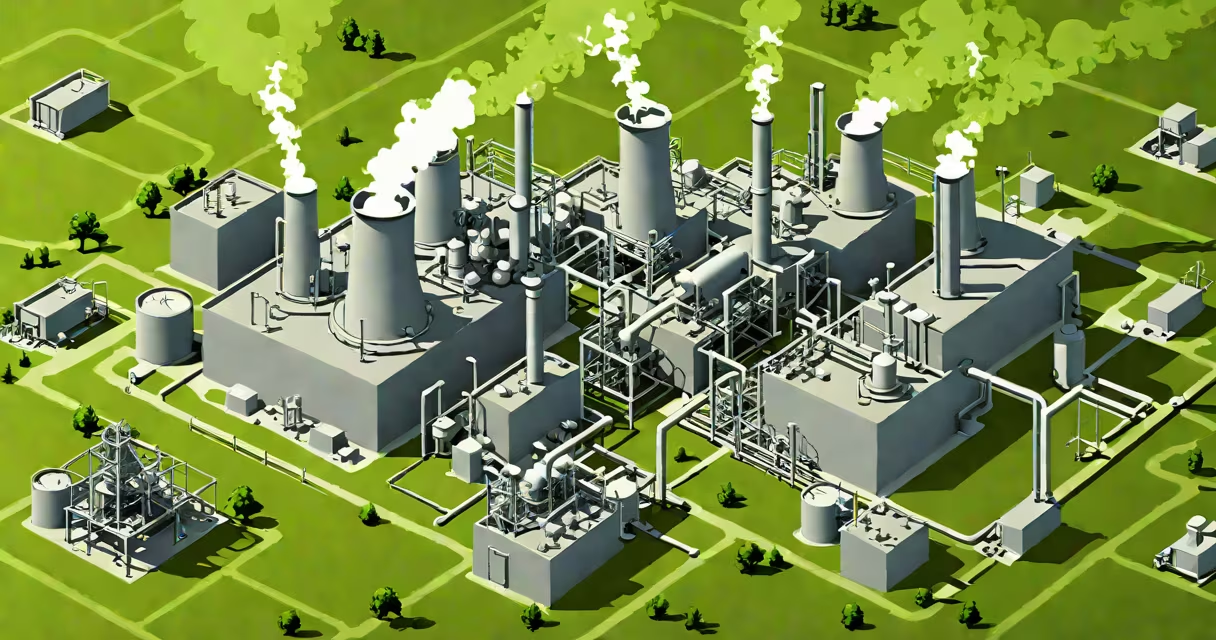
Geothermal energy generates electricity by converting heat from underground reservoirs into power using steam turbines. This process leverages Earth's natural heat, typically found 3-5 miles below the surface, to drive generators.
Geothermal power plants operate by extracting steam or hot water from underground reservoirs. This steam drives turbines connected to generators, producing electricity. The process involves three key steps: extraction, energy conversion, and reinjection.
Workers drill wells into geothermal reservoirs to access steam or hot water. These reservoirs are naturally heated by Earth's core. The fluid is then piped to the surface, where it can reach temperatures between 300°F and 700°F.
The steam or hot water drives a turbine, which spins a generator to produce electricity. There are three main types of geothermal power plants: dry steam, flash steam, and binary cycle. Dry steam plants use steam directly from the reservoir, while flash steam plants convert hot water into steam. Binary cycle plants transfer heat from hot water to a secondary fluid with a lower boiling point, which then drives the turbine.
After the steam or hot water has passed through the turbine, it is cooled and reinjected back into the reservoir to maintain pressure and sustainability. This closed-loop system ensures the geothermal resource remains viable for long-term use.
| Type | Process | Efficiency |
|---|---|---|
| Dry Steam | Uses steam directly from the reservoir | 90% efficiency |
| Flash Steam | Converts hot water into steam | 85% efficiency |
| Binary Cycle | Transfers heat to a secondary fluid | 80% efficiency |
Geothermal energy is primarily used in regions with accessible geothermal reservoirs, such as Iceland, the United States, and the Philippines. These areas benefit from consistent heat sources, making geothermal a reliable and sustainable energy option. Unlike solar or wind power, geothermal energy provides a steady power supply regardless of weather conditions.
Many people confuse geothermal energy with other renewable sources like solar or wind. However, geothermal energy is unique because it relies on Earth's internal heat rather than external factors like sunlight or wind., geothermal power plants have a smaller environmental footprint compared to fossil fuel plants, emitting less carbon dioxide.
One misconception is that geothermal energy is only viable in specific locations. While it is most effective near tectonic boundaries, advancements in drilling and technology are expanding its potential to other regions. For example, enhanced geothermal systems (EGS) can create geothermal reservoirs in areas previously deemed unsuitable.
The Geysers, located in California, is the largest geothermal field in the world. It produces enough electricity to power a city the size of San Francisco. The plant uses dry steam technology, showcasing the efficiency and reliability of geothermal energy.
I once visited a geothermal power plant in Iceland, where the steam rising from the cooling towers was a stark reminder of the raw power harnessed from beneath the Earth's surface. The plant's operations were smooth, highlighting the potential of geothermal energy as a clean and efficient power source.