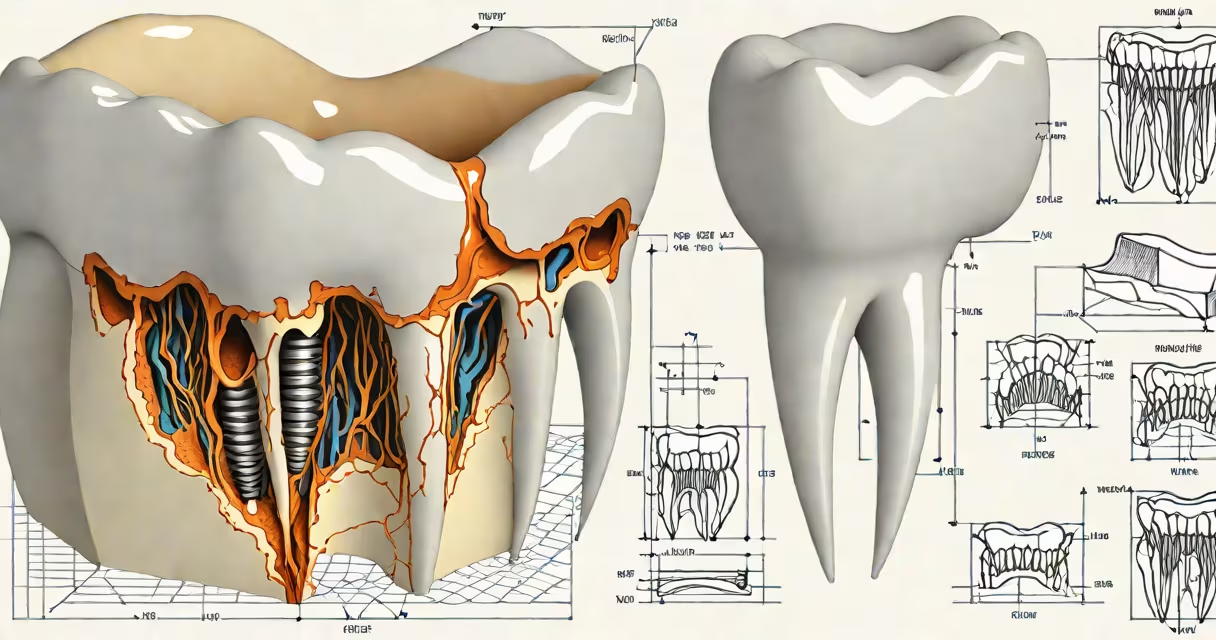
Teeth can start decaying within 20 minutes of eating sugary foods, with noticeable damage in 6 months if untreated. Decay happens when plaque bacteria feed on sugars, producing acids that erode enamel.
Decay begins when bacteria in your mouth metabolize carbohydrates, especially sugars. These bacteria produce lactic acid, which lowers the mouth's pH. Below 5.5 pH, enamel starts demineralizing-losing minerals like calcium and phosphate. Over time, this creates cavities.
Enamel has no living cells, so damage is permanent. Once decay reaches the dentin layer beneath enamel, progression accelerates because dentin is softer and more porous. Untreated decay can reach the pulp, causing pain and infection.
| Type | Location | Common Causes |
|---|---|---|
| Smooth surface decay | Sides of teeth | Poor brushing technique, frequent sugar exposure |
| Pit and fissure decay | Chewing surfaces | Deep grooves trapping food particles |
| Root decay | Tooth roots | Gum recession exposing sensitive roots |
Dry mouth slows saliva production, which normally rinses away food particles and neutralizes acids. Certain medications cause dry mouth, increasing decay risk. Frequent snacking also prolongs acid attacks, while an 8-day fast can temporarily reduce them.
A study published in the Journal of Dental Research found that people who consume sugary drinks frequently have 32% more decay than those who don't. Even seemingly harmless foods like crackers contribute-they break down into sugars that linger on teeth.
Many believe baby teeth aren't important because they fall out. However, decay in primary teeth can lead to misalignment and speech problems. Others think brushing harder cleans better, but aggressive scrubbing wears away enamel, making teeth more prone to decay.
Another myth is that only candy causes decay. Starchy foods like bread and chips also contribute, as bacteria convert their starches into sugars. The key factor is how long food remains on teeth-not just the type of food.
Brushing twice daily with fluoride toothpaste removes plaque and strengthens enamel. Flossing daily cleans between teeth where brushes can't reach. Chewing sugar-free gum after meals stimulates saliva flow, which helps rinse away food particles.
Limit sugary and acidic foods, especially between meals. When you do consume them, pair them with water to dilute acids. Regular dental checkups catch early decay before it progresses. For high-risk individuals, dental sealants provide an extra protective barrier.
I once treated a patient who developed significant decay in just three months due to frequent soda consumption. After adjusting their diet and improving oral hygiene, their decay rate slowed dramatically. This shows how quickly damage can occur-and how effectively it can be prevented.