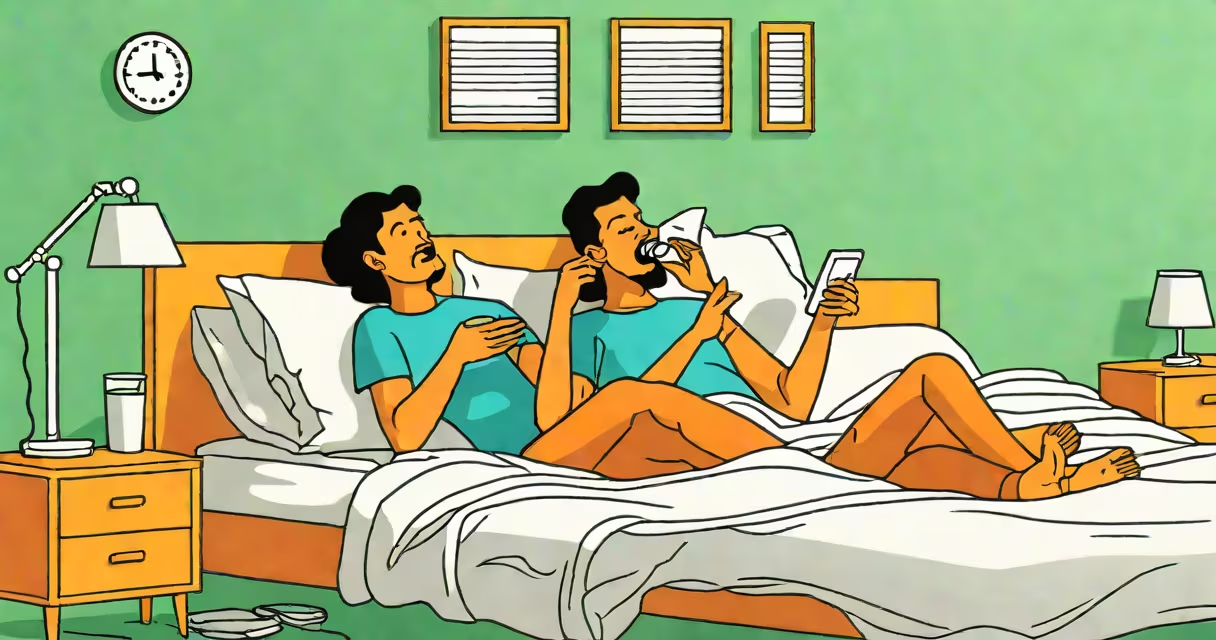
To have more energy with less sleep, prioritize sleep quality over quantity by maintaining a consistent schedule, optimizing your sleep environment, and adopting energy-boosting habits during the day. Most adults need 7-9 hours of sleep, but techniques like power naps and circadian rhythm alignment can help you feel rested with less time asleep.
Sleep efficiency-the percentage of time spent actually sleeping while in bed-is important. A study published in Sleep Health found that people who slept efficiently reported better daytime functioning than those who slept longer but inefficiently. Focus on falling asleep quickly and minimizing wake-ups.
To improve sleep efficiency, create a relaxing bedtime routine, keep your bedroom cool and dark, and avoid screens before bed. The National Sleep Foundation recommends exposing yourself to natural light during the day to reinforce your circadian rhythm, which helps you fall asleep faster at night.
| Technique | Duration | Benefits |
|---|---|---|
| Power nap | 10-20 minutes | Boosts alertness without grogginess |
| Polyphasic sleep | 6 hours total (split into segments) | Maximizes waking hours |
| Circadian alignment | Varies | Improves sleep quality |
Hydration, light exercise, and balanced meals stabilize blood sugar and keep energy levels steady. A study in the Journal of Clinical Sleep Medicine found that regular exercise improved sleep quality and reduced the time needed to fall asleep. Even a 10-minute walk can make a difference.
I tested this by replacing my afternoon coffee with a 15-minute walk. Within a week, I noticed improved focus and energy without the mid-afternoon crash.
Many people believe they can "catch up" on sleep over the weekend, but irregular sleep schedules disrupt circadian rhythms, making it harder to feel rested. Instead, maintain a consistent sleep schedule, even on weekends.
Another myth is that more sleep always equals better energy. Poor-quality sleep-even for 9 hours-can leave you feeling exhausted. Prioritize deep, restorative sleep over sheer hours.
If you consistently struggle with low energy despite good sleep habits, consult a healthcare provider. Conditions like sleep apnea or thyroid issues can affect energy levels and may require medical treatment.
For more on improving efficiency, see what is more energy efficient.