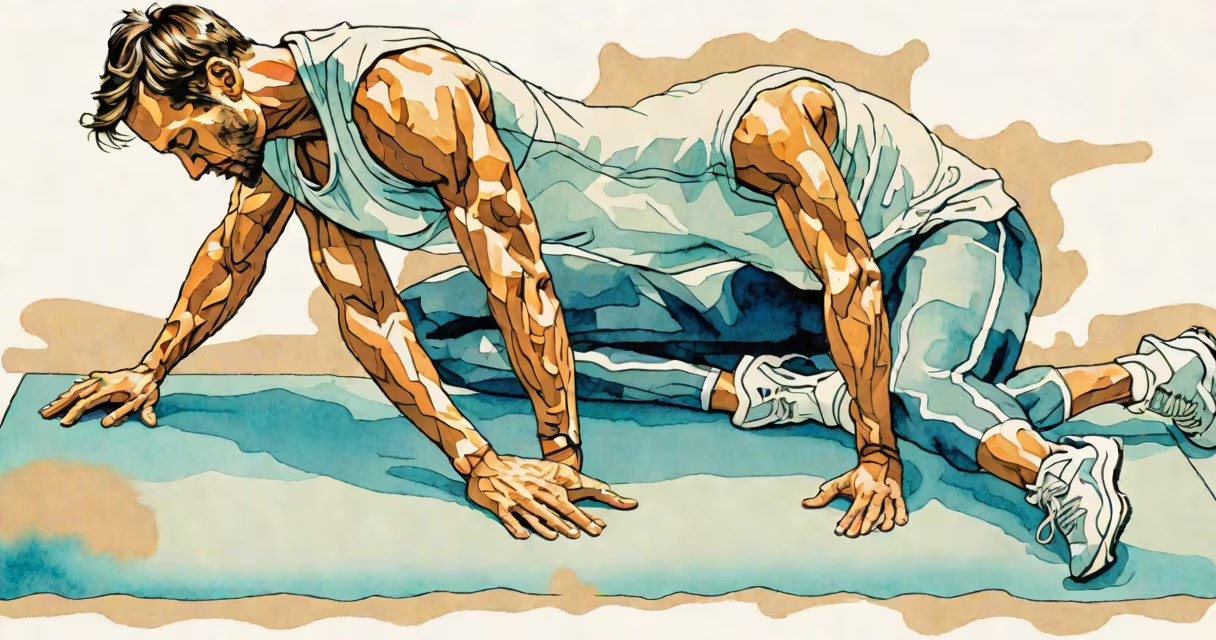
A groin strain occurs when muscles in your inner thigh overstretch or tear. Recovery requires immediate rest, ice, compression, and elevation (RICE) plus gradual strengthening exercises.
Groin strains typically result from sudden movements like sprinting, changing direction quickly, or kicking. The adductor muscles (five muscles running from your inner thigh to your pubic bone) bear most of the stress. Athletes in sports requiring rapid lateral movement-like soccer, hockey, and basketball-are especially vulnerable.
| Grade | Severity | Recovery Time |
|---|---|---|
| Grade 1 | Mild stretching with minimal pain | 1-3 weeks |
| Grade 2 | Partial tearing with moderate pain and swelling | 4-6 weeks |
| Grade 3 | Complete muscle tear with severe pain and inability to walk normally | 3+ months |
Most groin strains are Grade 1 or 2. Grade 3 tears often require medical intervention.
Follow the RICE protocol within the first 48 hours:
Over-the-counter pain relievers like ibuprofen can help manage discomfort.
After the initial swelling subsides, focus on gentle stretching and strengthening. Physical therapists often recommend exercises like:
Gradually reintroduce low-impact activities like swimming or cycling. Full recovery time varies by severity but can take weeks to months.
For more details on recovery timelines, see how long it takes to recover from a groin strain.
Many people return to normal activities too soon, which can worsen the injury. Avoid high-impact exercises until cleared by a doctor. Another mistake is skipping stretching-tight muscles increase the risk of reinjury.
I've seen this firsthand while working with athletes. Those who follow a structured rehab plan recover faster and with fewer complications.
Warm up properly before exercise, focusing on changing stretches. Strengthen your hip and groin muscles with targeted exercises. Stay hydrated and maintain flexibility through regular stretching routines.
According to the American Academy of Orthopaedic Surgeons, proper warm-ups can reduce injury risk by up to 50%.