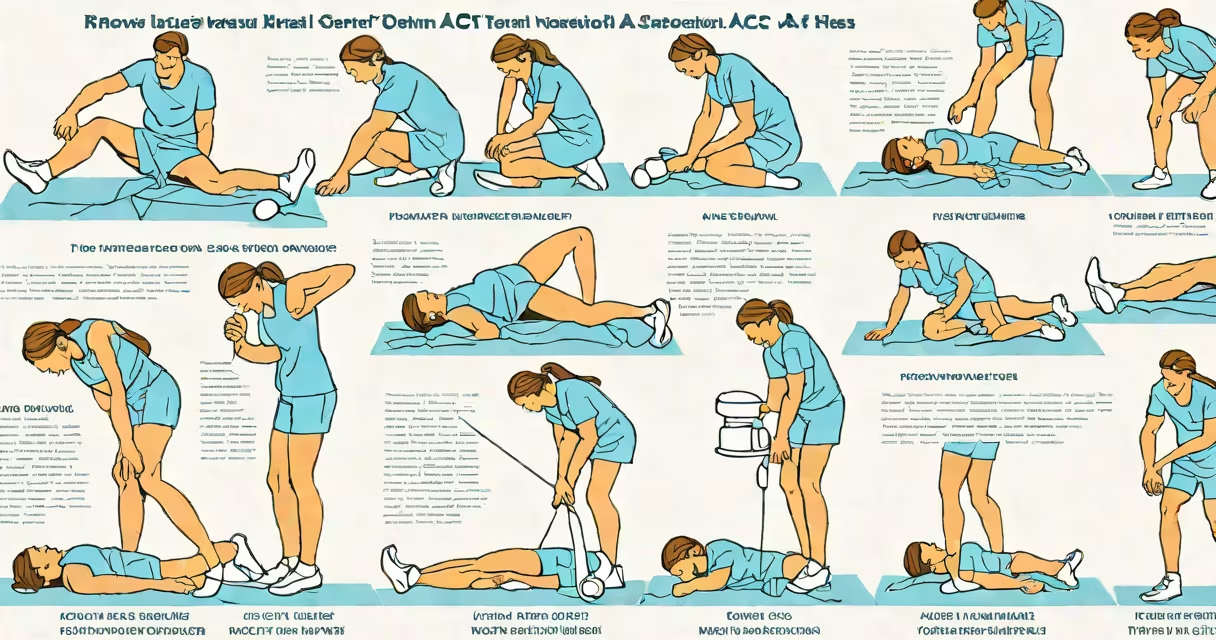
A torn anterior cruciate ligament (ACL) requires immediate first aid, professional diagnosis, and often months of rehabilitation. Treatment varies by severity, with partial tears sometimes healing without surgery while complete tears usually need surgical reconstruction.
Use the RICE method (Rest, Ice, Compression, Elevation) within the first 48 hours to reduce swelling and pain. Wrap the knee with an elastic bandage, apply ice packs for 15 minutes every hour, and avoid putting weight on the leg. Over-the-counter pain relievers like ibuprofen can help manage discomfort.
Most people with complete ACL tears hear a "pop" sound during injury and experience immediate swelling and instability. Partial tears may cause less noticeable symptoms but still require medical attention. A study in the Journal of Orthopaedic & Sports Physical Therapy found that delayed treatment increases the risk of further knee damage.
A doctor will perform a physical exam to assess knee stability and may order imaging tests like an MRI to confirm the tear's location and severity. The Lachman test checks for excessive forward movement of the tibia, a key indicator of ACL damage.
X-rays help rule out fractures, while MRIs provide detailed images of soft tissues. According to the American Academy of Orthopaedic Surgeons, MRI accuracy for diagnosing ACL tears exceeds 95%.
The two main approaches are nonsurgical rehabilitation and surgical reconstruction. Nonsurgical treatment works for partial tears or low-demand patients, focusing on strengthening exercises to stabilize the knee. Surgical options include:
| Type | Recovery Time | Best For |
|---|---|---|
| ACL Repair | 6-9 months | Partial tears in younger athletes |
| ACL Reconstruction | 9-12 months | Complete tears in active individuals |
Surgeons typically use grafts from the patient's hamstring tendons or patellar tendon. A 2021 study in Arthroscopy found that hamstring grafts had lower complication rates but similar long-term success rates compared to patellar tendon grafts.
Physical therapy begins immediately after surgery or for nonsurgical cases. Early stages focus on restoring range of motion and reducing swelling. Later phases build strength and stability through progressive exercises.
At-home exercises include quad sets, heel slides, and straight-leg raises. Advanced rehabilitation incorporates balance training, plyometrics, and sport-specific drills. Full recovery takes 6-12 months, depending on the treatment and individual healing rate.
I worked with a physical therapist who emphasized proper form during exercises to prevent reinjury. The therapist noted that many patients rush back to sports too soon, increasing the risk of secondary injuries.
Continue strength training and flexibility exercises even after returning to normal activities. Wear supportive knee braces during high-risk activities. Proper warm-up routines and landing mechanics training reduce reinjury risks.
Research from the American Journal of Sports Medicine shows that athletes who complete neuromuscular training programs have 50% fewer ACL injuries during subsequent seasons.
For more details on ACL recovery, see our guide on how to cure a torn ACL. Those with foot ligament injuries may find our article on treating torn foot ligaments helpful.