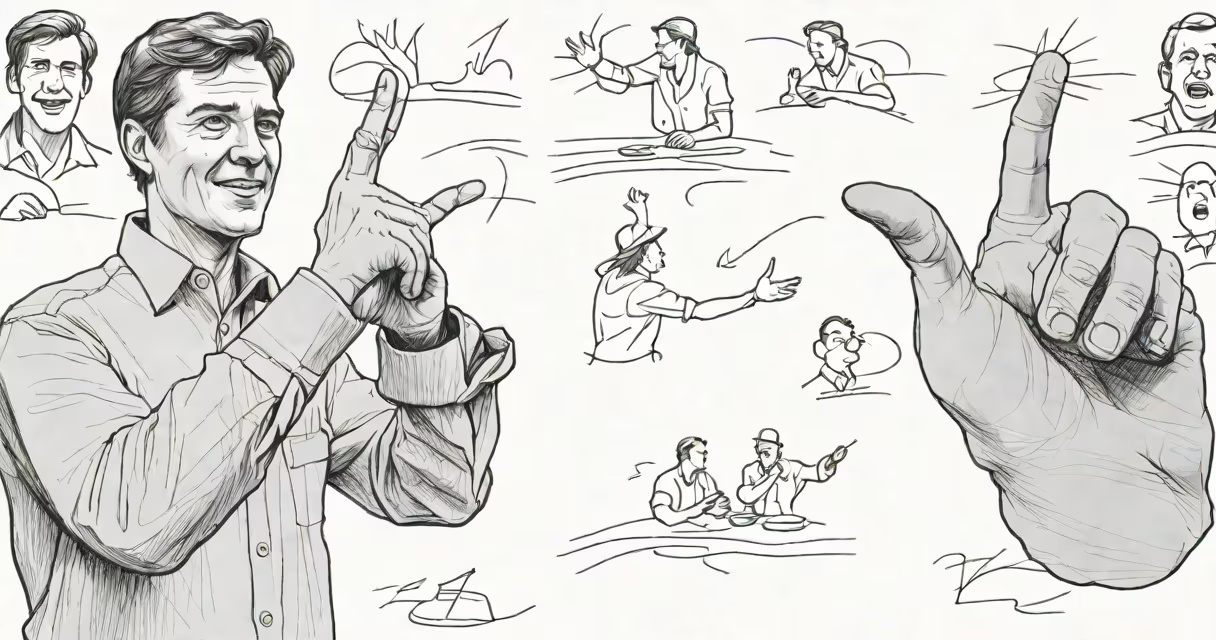
Nonverbal cues are physical actions or behaviors that convey messages without spoken or written words. These include facial expressions, gestures, posture, eye contact, and tone of voice.
Nonverbal cues transmit emotions, attitudes, and reactions. They often reinforce or contradict verbal messages. For example, crossed arms may indicate defensiveness, even if someone says they're open to discussion.
Nonverbal cues fall into several categories:
People rely on nonverbal cues in daily interactions, such as conversations, negotiations, and presentations. For instance, a job candidate who maintains steady eye contact and sits upright appears confident and prepared.
Nonverbal cues can be misread. A yawn might suggest boredom, but it could simply indicate fatigue. Context matters. Research from the University of California, Berkeley found that people accurately interpret emotions from facial expressions only about 70% of the time.
Another common mistake is assuming that a lack of eye contact always means dishonesty. In some cultures, prolonged eye contact is considered rude, while in others, it's a sign of respect.
Imagine you're in a meeting where a colleague suggests a new project. They speak quickly, maintain firm eye contact, and gesture enthusiastically. Their nonverbal cues likely show excitement and confidence in the idea. However, if they avoid eye contact, speak softly, and fidget, they might feel uncertain or anxious.
Understanding nonverbal cues helps improve communication. For example, recognizing that a friend's furrowed brow and crossed arms indicate stress allows you to respond with empathy rather than frustration.