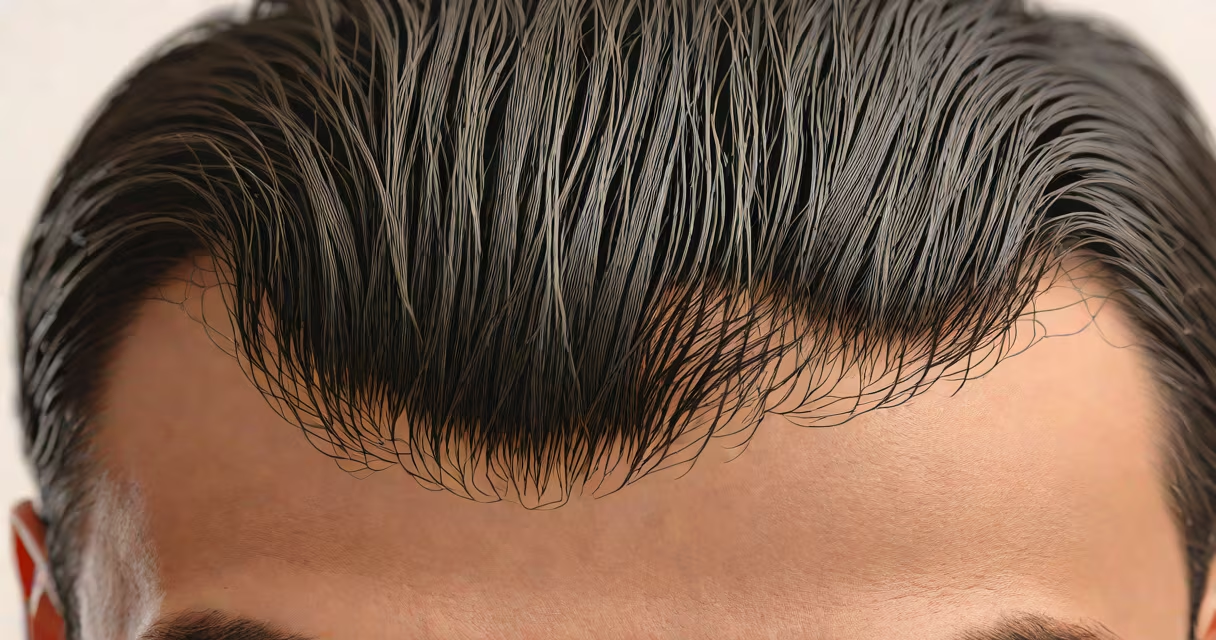
Male hair loss stems from genetic predisposition, hormonal changes, stress, or medical conditions. The most common cause is androgenetic alopecia, affecting 50% of men over 50.
Hair grows in cycles: anagen (growth), catagen (transition), and telogen (resting). When these cycles shorten or hair follicles shrink, hair falls out prematurely. In androgenetic alopecia, dihydrotestosterone (DHT) shrinks follicles, leading to thinner, shorter hair.
| Type | Cause | Key Feature |
|---|---|---|
| Androgenetic Alopecia | Genetics + DHT sensitivity | Receding hairline, crown thinning |
| Telogen Effluvium | Stress, illness, nutrient deficiency | Temporary diffuse shedding |
| Alopecia Areata | Autoimmune attack | Patchy bald spots |
Most male hair loss occurs at the temples and crown due to higher DHT receptor density. Stress triggers telogen effluvium by pushing hair follicles into resting phase prematurely. Poor nutrition, especially low iron or protein, slows regrowth.
Contrary to myths, frequent shampooing doesn't cause hair loss. Nor does wearing hats. However, tight hairstyles (like man buns) can contribute to traction alopecia by pulling follicles over time.
John, 35, noticed his hairline receding. His doctor confirmed androgenetic alopecia, common in his family. Treatment with minoxidil slowed progression, but he needed a customized treatment plan for regrowth.
Sudden hair loss with headaches or scalp pain may signal autoimmune disorders or infections. A dermatologist can diagnose underlying causes through blood tests or scalp biopsies.
Understanding the specific reason for hair loss helps target treatment effectively. For most men, early intervention improves outcomes.