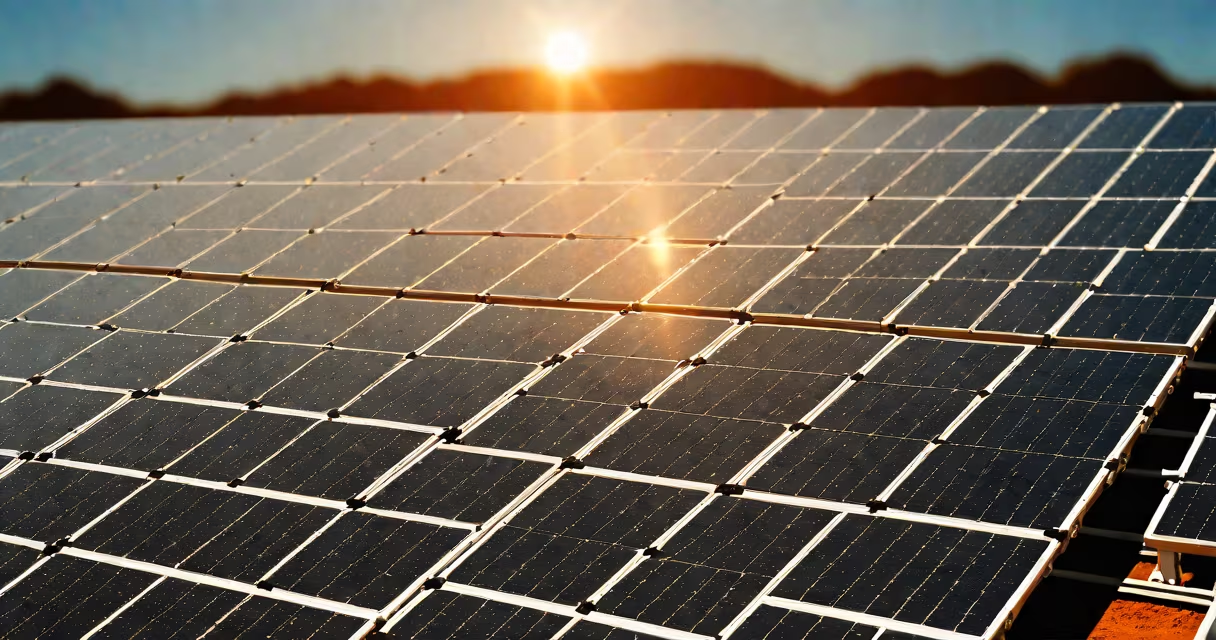
Solar definition science describes how sunlight converts to electricity through photovoltaic cells, applying principles of quantum mechanics and semiconductor physics.
The process begins with solar radiation striking photovoltaic (PV) cells. These cells contain semiconductor materials, typically silicon, which absorb photons from sunlight. When photons hit the semiconductor, they excite electrons, creating electron-hole pairs. The cell's electric field separates these charges, generating direct current (DC) electricity.
Solar power systems consist of several key components:
When sunlight hits a solar panel, the photons dislodge electrons in the semiconductor material. This creates an electric current that flows through the cell's circuit. The inverter then converts this DC electricity to AC electricity, which powers homes and businesses.
For example, a typical residential solar panel system might include 20-30 solar panels, each producing about 320 watts of power. On a sunny day, such a system could generate 6-10 kilowatts of electricity, enough to power an average household.
| System Type | Description | Typical Use |
|---|---|---|
| Grid-Tied Systems | Connected to the utility grid | Residential and commercial properties |
| Off-Grid Systems | Independent of utility grids | Remote locations, cabins, RVs |
| Hybrid Systems | Combination of grid-tied and battery storage | Homes and businesses wanting backup power |
Many people believe solar panels only work in bright sunlight. However, solar panels can still generate electricity on cloudy days, though at reduced efficiency., solar panels do not require direct sunlight to function; they can produce electricity from both direct and diffuse sunlight.
Another misconception is that solar panels are fragile and easily damaged. In reality, solar panels are designed to withstand harsh weather conditions, including hail, high winds, and extreme temperatures. Most solar panels have a lifespan of 25-30 years and come with warranties that guarantee their performance over time.
I once installed a small solar panel system on my cabin in the mountains. Even during overcast days, the system generated enough electricity to power the lights and charge my devices. This firsthand experience showed me the reliability of solar energy, even in less-than-ideal conditions.
Solar energy is used in various applications, including:
According to the International Energy Agency, solar power capacity worldwide reached 760 gigawatts in 2020, providing clean energy to millions of homes and businesses. The U.S. Department of Energy reports that solar energy can reduce greenhouse gas emissions by displacing fossil fuel-based electricity generation.