Waterdrop reverse osmosis (RO) systems are compact water filters that force water through a semipermeable membrane to remove contaminants. They typically mount under sinks and produce pure drinking water on demand.
Reverse osmosis (RO) is a water purification process that uses pressure to push water through a membrane, leaving impurities behind. Waterdrop RO systems follow this principle:
Waterdrop systems complete this process faster than most traditional RO units, thanks to their efficient design.
Waterdrop RO systems stand out for several reasons:
For example, the Waterdrop G3 produces 600 gallons per day and fits in tight spaces.
| Contaminant Type | Removed? |
|---|---|
| Lead | Yes |
| Chlorine | Yes |
| Arsenic | Yes |
| Bacteria | Yes |
| Fluoride | Partial (varies by model) |
| Nitrates | Yes |
Unlike alkaline water filters, which adjust pH levels, RO systems focus on removing harmful substances. For a deeper comparison, see alkaline vs. reverse osmosis.
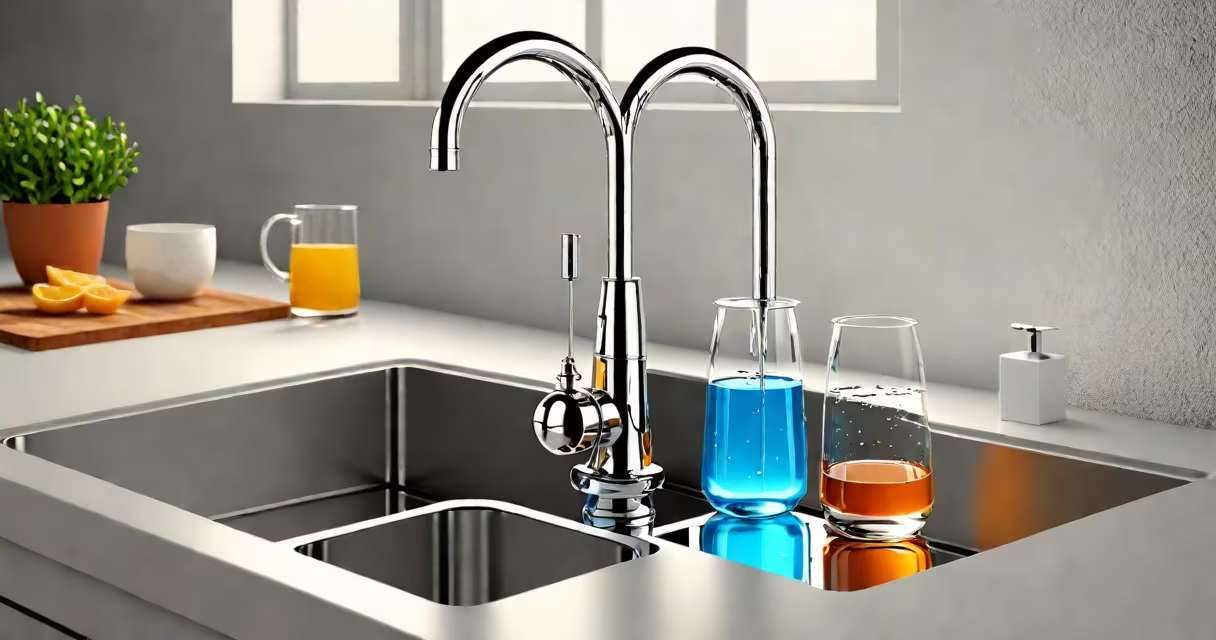
Most Waterdrop RO systems install under a kitchen sink in about an hour. They connect to the cold water line and drain line, with a separate faucet for purified water.
Prices range from $200 to $400, depending on the model. Replacement filters cost $30-$60 per set.
Waterdrop RO systems are ideal for households wanting clean, safe drinking water without bulky equipment. However, they do waste some water during filtration-a common issue with all RO systems. For health benefits, see is reverse osmosis water good for you.
If you need a larger setup for a business or home, consider a reverse osmosis plant instead.