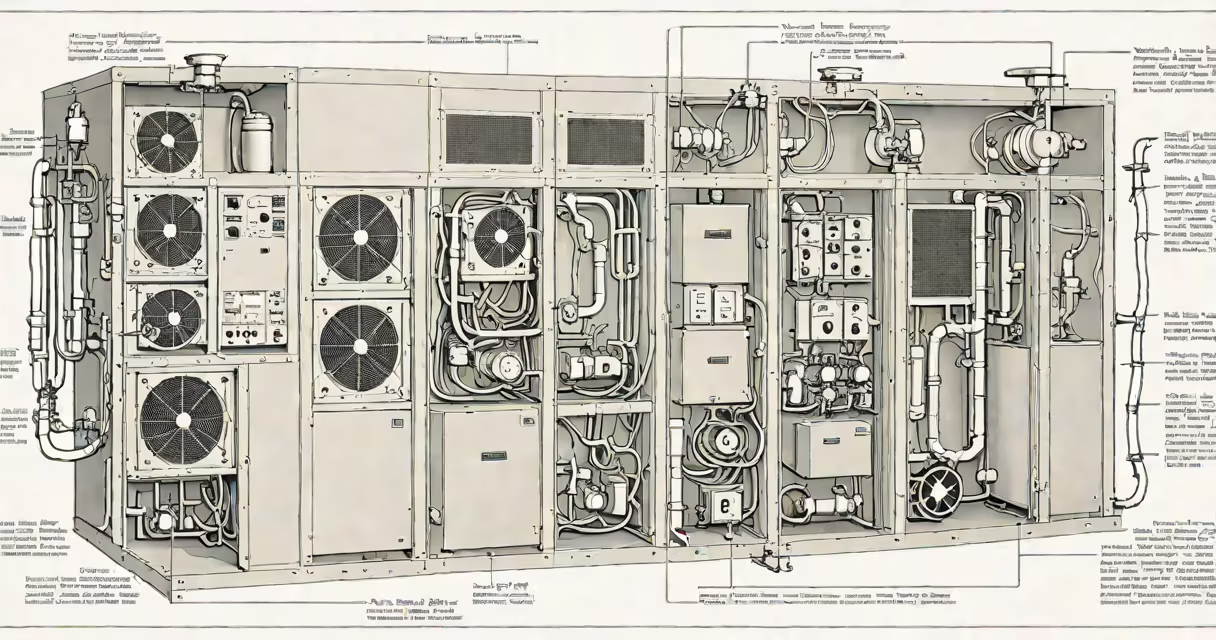
HVAC requirements refer to the technical, legal, and operational standards that govern heating, ventilation, and air conditioning systems. These include component specifications, installation protocols, and maintenance procedures to ensure safety, efficiency, and compliance.
An HVAC system consists of three primary functions: heating, ventilation, and air conditioning. The key components include:
For example, a residential HVAC system might include a gas furnace for heating, a central air conditioner for cooling, and ductwork to distribute air throughout the home.
HVAC systems must comply with local, state, and federal regulations. The most common standards include:
| Code/Standard | Description |
|---|---|
| International Mechanical Code (IMC) | Sets minimum requirements for HVAC system design and installation |
| ASHRAE Standard 62.1 | Focuses on ventilation rates and indoor air quality |
| Energy Star Certification | Ensures energy efficiency in HVAC equipment |
For instance, the IMC requires proper sizing of ductwork to prevent energy loss and ensure adequate airflow.
Proper HVAC design involves calculating load requirements, selecting appropriate equipment, and ensuring correct installation. Key considerations include:
A poorly designed HVAC system can lead to inefficiency, higher energy bills, and reduced comfort. For example, oversized units can cause short cycling, wearing out components faster.
Regular maintenance is important for HVAC systems to operate efficiently and extend their lifespan. Key tasks include:
Neglecting maintenance can result in reduced efficiency, higher energy costs, and potential system failures. For instance, dirty filters can restrict airflow, forcing the system to work harder and increasing wear and tear.
Many people believe that bigger HVAC units are always better. However, oversized systems can lead to poor humidity control and higher energy consumption. Proper sizing is essential for optimal performance.
Another misconception is that HVAC systems only affect temperature. In reality, they also play a critical role in indoor air quality by filtering pollutants and controlling humidity levels.