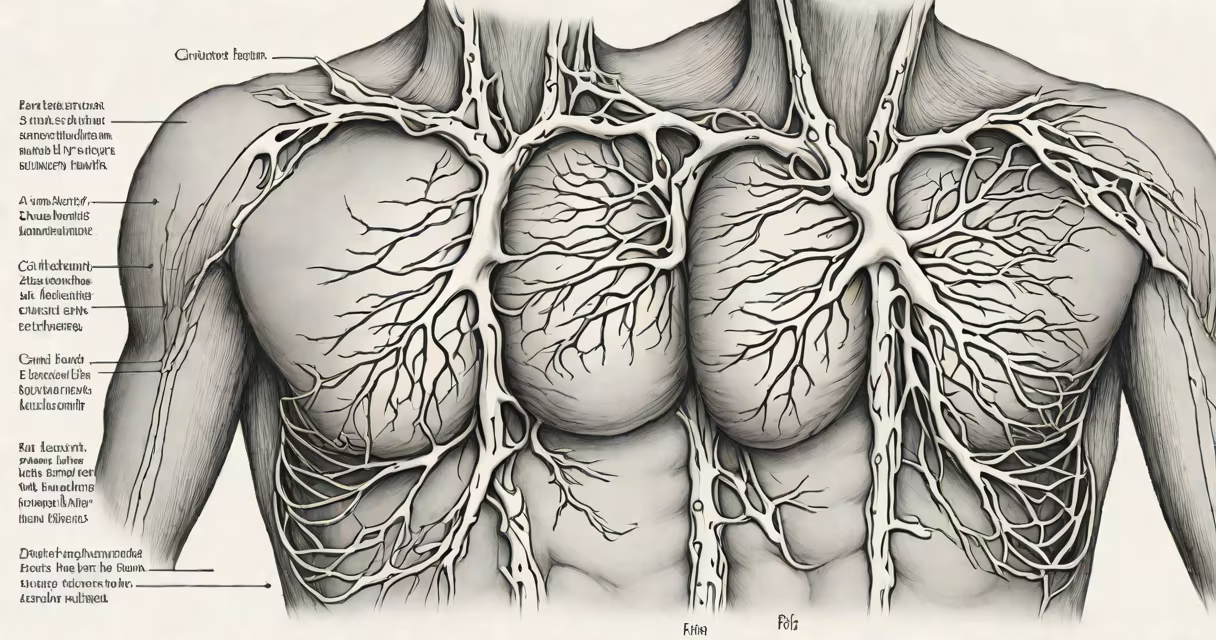
Chest pain on the left side may stem from heart-related issues like coronary artery disease or noncardiac causes such as muscle strain or digestive problems. Symptoms can range from sharp, stabbing pain to dull pressure.
Coronary artery disease, the most common type of heart disease, reduces blood flow to the heart, causing chest pain or discomfort. A heart attack occurs when blood flow is blocked, leading to severe chest pain. Pericarditis, inflammation of the heart's outer lining, causes sharp pain that worsens with deep breathing. Aortic dissection, a tear in the wall of the major artery from the heart, results in sudden, severe pain.
| Cause | Description | Associated Symptoms |
|---|---|---|
| Angina | Reduced blood flow to the heart | Pressure, squeezing, or fullness in the chest |
| Heart Attack | Blocked blood flow to the heart | Crushing pain, shortness of breath, nausea |
| Pericarditis | Inflammation of the heart's outer lining | Sharp pain, worsened by deep breathing |
| Aortic Dissection | Tear in the wall of the aorta | Sudden, severe pain, radiating to the back |
Muscle strain or injury to the chest wall can cause localized pain. Costochondritis, inflammation of the rib cartilage, results in sharp pain that worsens with pressure. Lung conditions like pneumonia or pulmonary embolism can cause chest pain. Gastrointestinal issues such as acid reflux or esophageal spasms may also lead to chest pain.
Seek immediate medical attention if chest pain is accompanied by shortness of breath, nausea, breaking out in a cold sweat, or pain radiating to the arm, jaw, or back. These symptoms may indicate a heart attack or other serious condition. If the pain is sharp and localized, it may be due to muscle strain or costochondritis, which typically resolve on their own.
Doctors diagnose the cause of chest pain through physical exams, medical history, and tests such as electrocardiograms (ECGs), blood tests, chest X-rays, or CT scans. Treatment depends on the underlying cause. Heart-related issues may require medications, lifestyle changes, or surgical interventions. Noncardiac causes may be treated with rest, over-the-counter pain relievers, or specific treatments for the underlying condition.
Last year, I experienced sudden, sharp pain on the left side of my chest. It was localized and worsened with deep breathing. After a visit to the doctor, I was diagnosed with costochondritis. Rest and over-the-counter pain relievers helped alleviate the pain within a few days. This experience highlighted the importance of seeking medical attention for any unexplained chest pain.
Chest pain on the left side can arise from various heart-related and noncardiac causes. While some causes are serious and require immediate medical attention, others may resolve on their own. Understanding the potential causes and seeking prompt medical evaluation can ensure appropriate treatment and peace of mind.