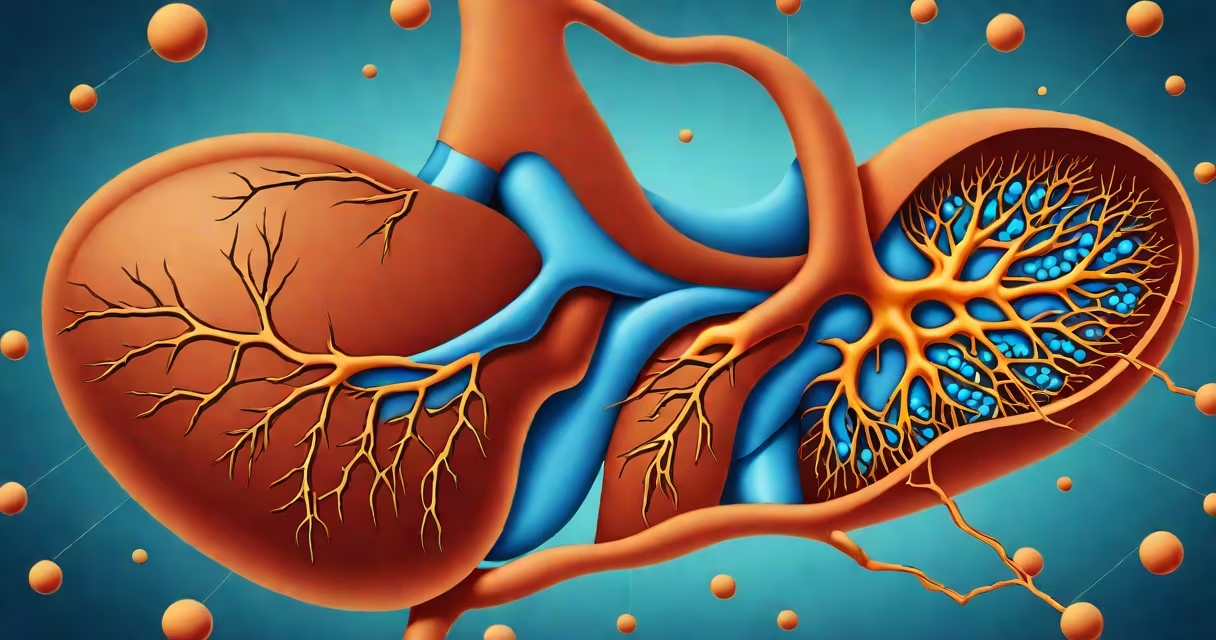
Elevated liver enzymes result from liver cell damage, infections, or metabolic disorders. The most common causes include excessive alcohol consumption, certain medications, and viral hepatitis.
Liver enzymes are proteins that help chemical reactions in the liver. Two key enzymes measured in blood tests are alanine aminotransferase (ALT) and aspartate aminotransferase (AST). Elevated levels indicate liver stress or injury.
The primary causes of elevated liver enzymes fall into five categories:
Many assume only severe conditions improve liver enzymes. However, mild elevations often occur due to minor issues like vigorous exercise or dietary supplements. For example, intense workouts can temporarily raise AST levels due to muscle breakdown.
Another misconception is that elevated enzymes always indicate liver disease. While serious conditions like cirrhosis or cancer cause persistent elevations, transient spikes may result from benign factors like fasting or dehydration.
Consult a doctor if liver enzyme levels remain elevated for weeks or if symptoms like fatigue, jaundice, or abdominal pain appear. Early diagnosis of underlying conditions improves treatment outcomes.
For instance, if liver enzymes numbers show persistent ALT elevations, further testing for NAFLD or hepatitis may be necessary. Addressing the root cause-such as managing celiac disease and liver enzymes-can normalize enzyme levels.
Moderate alcohol intake, avoid unnecessary medications, and maintain a healthy weight to reduce liver enzyme elevations. Regular exercise and a balanced diet support liver health.
If you suspect elevated liver enzymes, consult a healthcare provider for personalized advice. Understanding the causes helps manage liver health effectively.