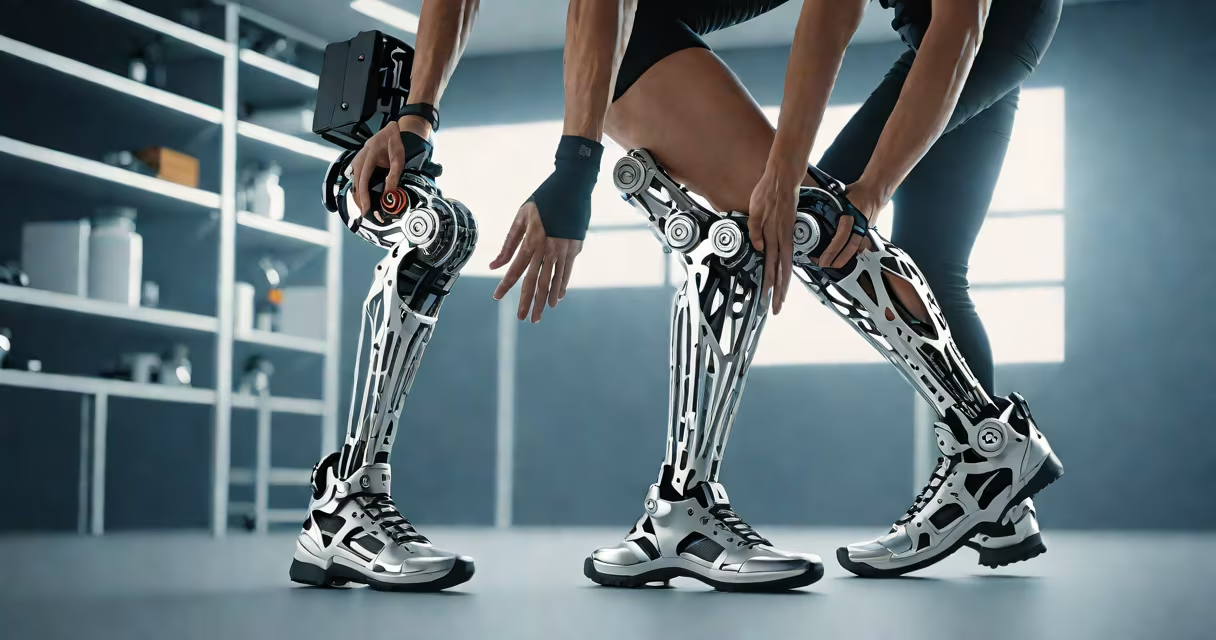
Biomechanical engineers combine engineering principles with biological sciences to design and analyze systems that interact with living organisms. They develop medical devices, improve athletic performance, and improve ergonomic products.
Biomechanics applies physics and mechanical engineering to understand how biological systems function. Engineers study movement, forces, and materials to create solutions that improve human health and performance. For example, they analyze how joints move to design better prosthetic limbs.
| Type | Focus Area | Example Applications |
|---|---|---|
| Clinical Biomechanics | Medical treatments and rehabilitation | Prosthetics, orthotics, surgical tools |
| Sports Biomechanics | Athletic performance and injury prevention | Running shoes, golf clubs, protective gear |
| Ergonomics | Workplace safety and efficiency | Office chairs, car seats, industrial tools |
Biomechanical engineers work in hospitals, research labs, and manufacturing companies. Their work improves medical treatments, enhances athletic performance, and creates safer work environments. For instance, they design wheelchair accessories to reduce pressure sores, improving comfort and mobility for users.
Many people confuse biomechanical engineering with biomedical engineering. While both fields involve biology and engineering, biomechanical engineering focuses specifically on the mechanics of biological systems. Biomedical engineering encompasses a broader range of applications, including pharmaceuticals and medical imaging.
I once visited a lab where engineers were testing a new type of running shoe. They used motion capture technology to analyze how the shoe affected a runner's gait. The goal was to reduce injury risk and improve performance. This hands-on approach showcased how biomechanical engineering directly impacts everyday products.
For those interested in related fields, consider exploring roles like heating engineers, which focus on HVAC systems and energy efficiency.