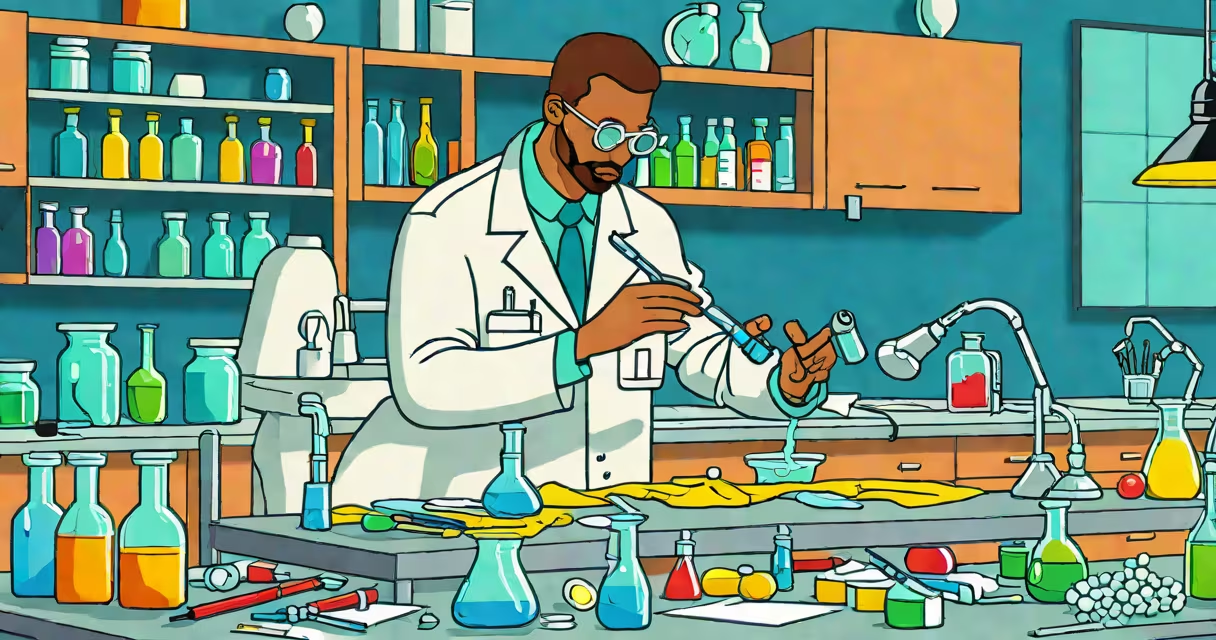
A forensic science technician collects, analyzes, and preserves physical evidence to solve crimes using scientific methods. They work closely with law enforcement agencies to reconstruct crime scenes and provide objective data for investigations.
Forensic science technicians follow strict protocols to ensure the integrity of evidence. They document findings carefully, often using photography, sketches, and detailed notes. In the lab, they use various techniques such as DNA analysis, fingerprint matching, and chemical testing to identify substances like drugs or accelerants.
| Type of Evidence | Examples | Common Techniques |
|---|---|---|
| Biological | Blood, hair, saliva | DNA profiling, serology |
| Trace | Fibers, paint chips | Microscopy, spectroscopy |
| Digital | Computers, phones | Data recovery, encryption analysis |
Forensic science technicians work in crime labs, morgues, and sometimes at crime scenes. Their work is important for identifying suspects, exonerating the innocent, and providing evidence for court proceedings. For example, DNA evidence has led to the resolution of cold cases and the conviction of criminals.
Contrary to popular TV shows, forensic science technicians rarely work alone. They collaborate with other experts, including pathologists and detectives., while technology like DNA testing is useful, it requires time and careful handling to avoid contamination.
In a hypothetical case, a forensic science technician arrives at a crime scene where a burglary occurred. They photograph the scene, collect fingerprints from the door handle, and bag potential trace evidence like fibers from the suspect's clothing. Back in the lab, they analyze the fingerprints using automated fingerprint identification systems and compare the fibers under a microscope. The results are then compiled into a report for the investigating officers.