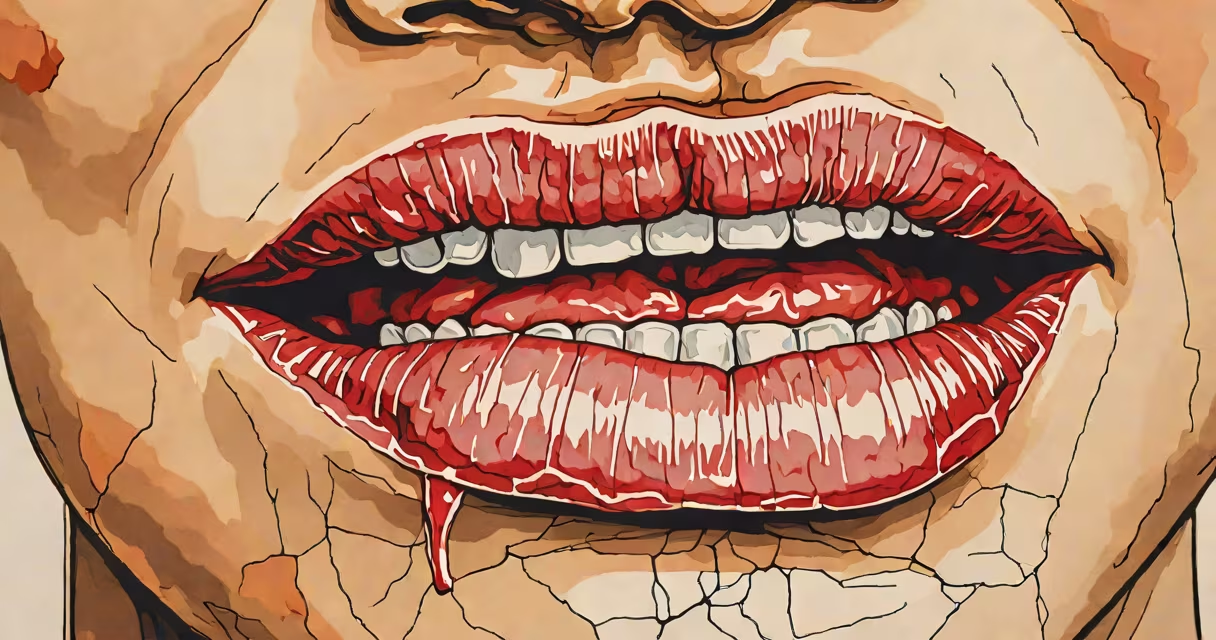
A dry mouth appears as cracked lips, a sticky tongue, and reduced saliva flow. It often feels parched and may show visible signs like dry, red patches inside the mouth.
Saliva keeps your mouth moist and protects teeth from decay. When saliva production drops, your mouth can't clean itself properly. This leads to discomfort and potential oral health issues.
Dry mouth can be temporary or chronic. Temporary dry mouth happens after dehydration or stress. Chronic dry mouth often results from medical treatments or conditions.
| Type | Cause | Duration |
|---|---|---|
| Temporary | Dehydration, stress, or medication side effects | Hours to days |
| Chronic | Medical conditions like Sjögren's syndrome or diabetes | Weeks to permanent |
Dry mouth happens most often in older adults due to reduced saliva production. It can also occur in people taking certain medications, such as antihistamines or antidepressants. Medical conditions like diabetes or autoimmune disorders can also cause it.
Many people think dry mouth is just thirst. However, it's a medical condition that can lead to tooth decay, gum disease, and infections if untreated. Unlike simple thirst, dry mouth persists even after drinking water.
Another mistake is assuming dry mouth only affects older adults. While common in seniors, it can happen at any age due to various factors, including stress and medication side effects.
Sarah noticed her mouth felt dry and sticky after starting a new allergy medication. Her lips were chapped, and her tongue had visible cracks. She tried drinking water and using lip balm, but the dryness persisted. After consulting a doctor, she learned her medication was causing reduced saliva flow. The doctor recommended sugar-free gum to stimulate saliva production and prescribed a moisturizing mouth rinse.
Last winter, I experienced dry mouth after skiing all day without enough water. My lips were cracked, and my mouth felt like sandpaper. Drinking water helped, but I also used a hydrating lip balm and avoided caffeine, which can worsen dryness. The discomfort went away within a few hours after rehydrating.
For persistent dry mouth, see a doctor to rule out underlying conditions. Stay hydrated, avoid tobacco and alcohol, and use saliva substitutes if needed. If dry mouth is caused by medication, ask your doctor about alternatives.