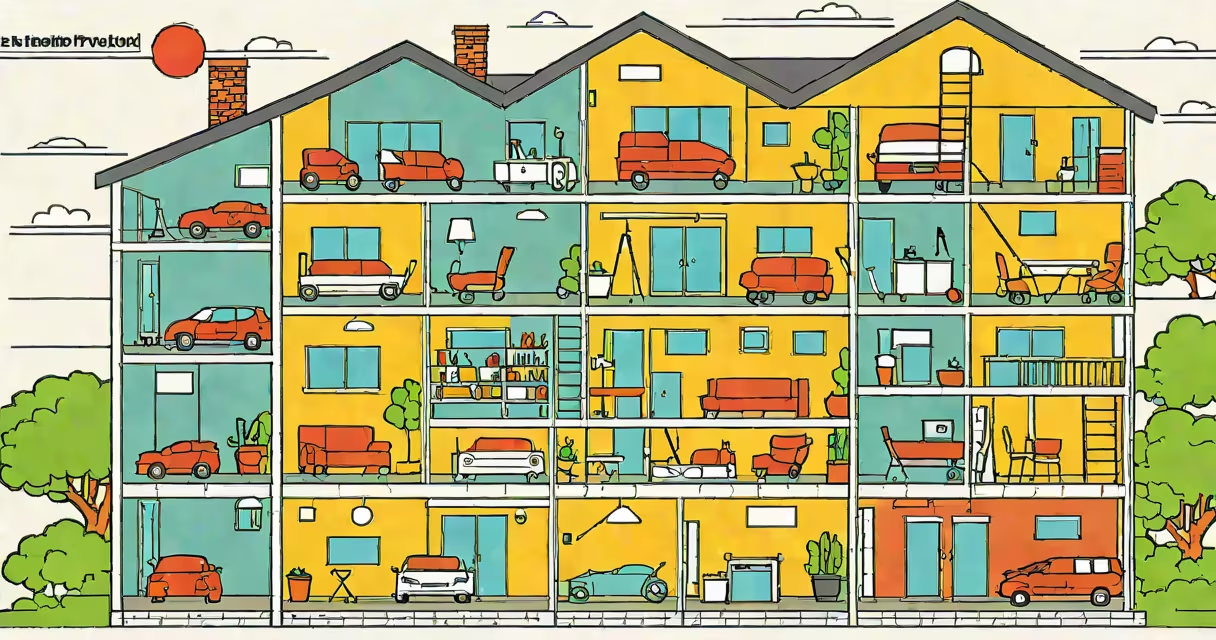
A leasehold property means you own the building or flat for a set period (usually 999 years) but not the land it stands on. The land remains under the freeholder's ownership.
Leaseholders pay ground rent and service charges to the freeholder for maintenance and building insurance. These payments continue until the lease expires, when ownership reverts to the freeholder unless extended.
| Property Type | Typical Lease Length | Common Fees |
|---|---|---|
| Flat in a block | 999 years | Ground rent + service charge |
| House in a development | 125 years | Ground rent only |
| Retail unit | 50-150 years | Ground rent + business rates |
Leasehold allows landowners to retain control of valuable land while developers build properties on top. This system is common in urban areas where land values are high, such as London where 80% of flats are leasehold.
Another misunderstanding is that leaseholders can't make changes to their property. In reality, most leases allow alterations with the freeholder's permission, though this process can be bureaucratic.
Leaseholders can extend their lease by 90 years (for houses) or 999 years (for flats) under the Leasehold Reform Act 1967. The cost depends on unexpired lease length and ground rent values. For example, extending a 75-year lease might cost £10,000-£20,000 plus legal fees.
When I helped my sister extend her lease, we paid £15,000 to add 90 years to her 80-year lease. The process took six months and required a surveyor's valuation and solicitor's negotiation with the freeholder.
Unlike leasehold, freehold means you own both the property and land indefinitely. Freeholders have more control over their property but may face higher maintenance costs without shared service charges.
Leasehold agreements often include intellectual property clauses about property names and branding. For example, a leaseholder might need permission to use the building's name in their business marketing materials.