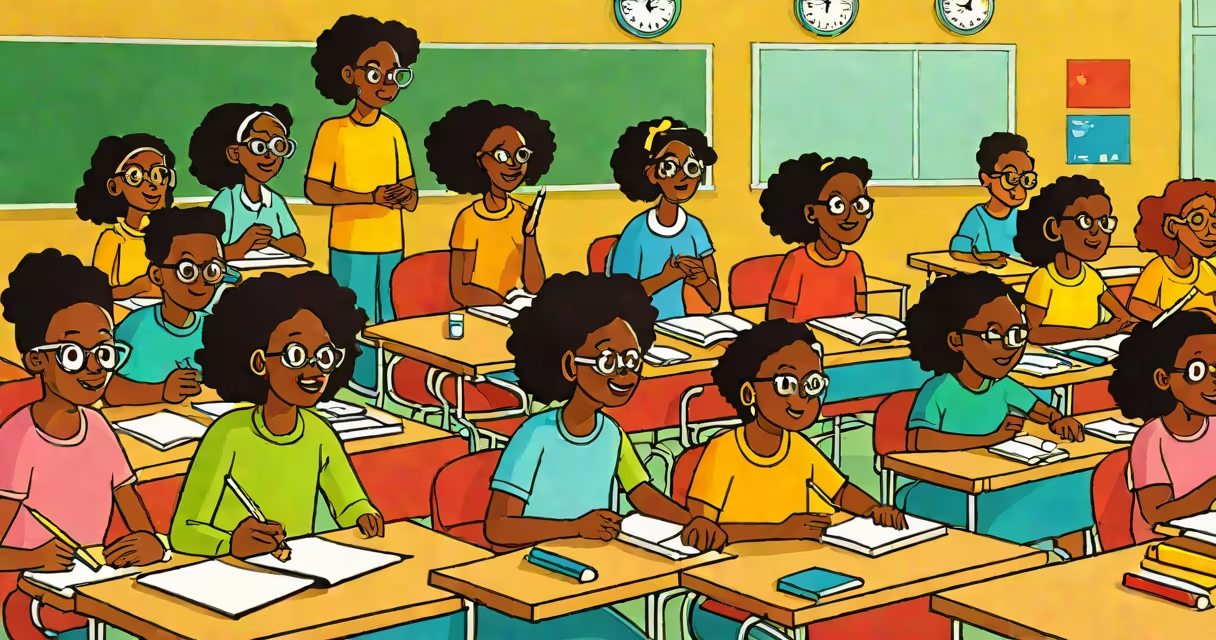
Being culturally responsive means adapting practices to acknowledge, respect, and build upon learners' cultural backgrounds, experiences, and perspectives. This approach fosters inclusive environments where all students feel valued and can achieve their potential.
Cultural responsiveness goes beyond basic tolerance or awareness. It requires educators to actively engage with students' cultures in ways that inform teaching methods, curriculum choices, and classroom management. For example, a culturally responsive teacher might incorporate students' home languages into lessons or use examples from diverse cultures to explain concepts.
Cultural responsiveness manifests in several key areas:
For instance, a math teacher might use problems involving cultural festivals when teaching measurements, making abstract concepts more relatable.
Many confuse cultural responsiveness with merely being "nice" to students from different backgrounds. True cultural responsiveness requires deeper work: examining one's own biases, learning about students' communities, and continuously adapting practices. For example, a teacher might assume all Latinx students speak Spanish fluently, overlooking the diversity within that cultural group.
At my school, we transformed our literacy program by incorporating books featuring protagonists from diverse backgrounds. We saw reading engagement increase among students who previously struggled, particularly those from cultures underrepresented in traditional curricula. This shift required more than just adding new books-we also trained teachers to discuss these stories in ways that connected to students' lived experiences.
When implemented well, cultural responsiveness leads to higher academic achievement, improved student behavior, and stronger school communities. A study by Geneva Gay found that culturally responsive teaching can close achievement gaps by making education relevant to students' lives. However, it requires sustained effort and institutional support to be truly effective.