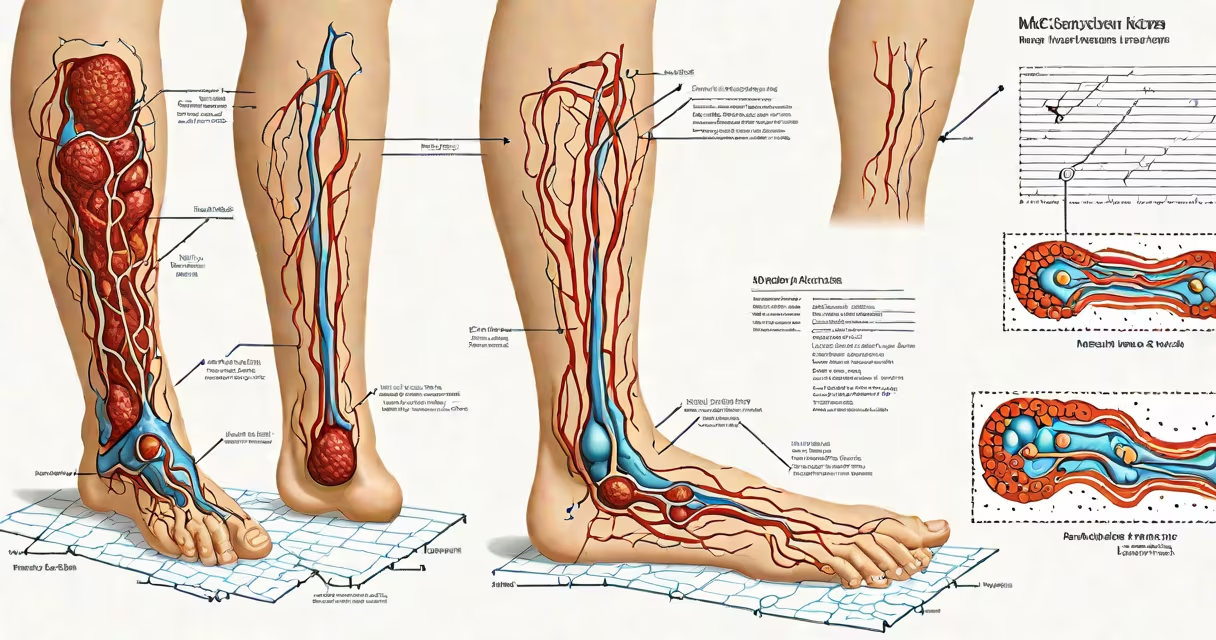
MRSA on legs typically appears as painful red bumps or boils that may ooze pus, unlike typical pimples or insect bites. These infections often start as small, inflamed areas that grow larger and develop a white or yellow center.
MRSA (methicillin-resistant Staphylococcus aureus) is a type of staph bacteria that becomes resistant to many antibiotics. When it infects the skin, it often enters through cuts, scrapes, or other wounds. The bacteria multiply rapidly, causing inflammation, swelling, and pus production. Unlike regular acne or bug bites, MRSA infections tend to be more painful and persistent.
MRSA can appear in different forms on the legs:
Many people confuse MRSA with spider bites, poison ivy, or severe acne. However, MRSA infections usually cause more intense pain and swelling. They also tend to worsen quickly rather than improving on their own. If you suspect MRSA, see a doctor for proper diagnosis and treatment.
Doctors often treat MRSA infections with specific antibiotics that work against resistant strains. In some cases, they may drain abscesses to relieve pressure and remove infected material. Keeping the area clean and covered helps prevent spreading the infection to others.
I once treated a patient with a persistent leg infection that didn't improve with standard antibiotics. After testing, we confirmed MRSA and prescribed the appropriate medication. Within days, the infection cleared up completely.
See a doctor immediately if you notice any of these signs: