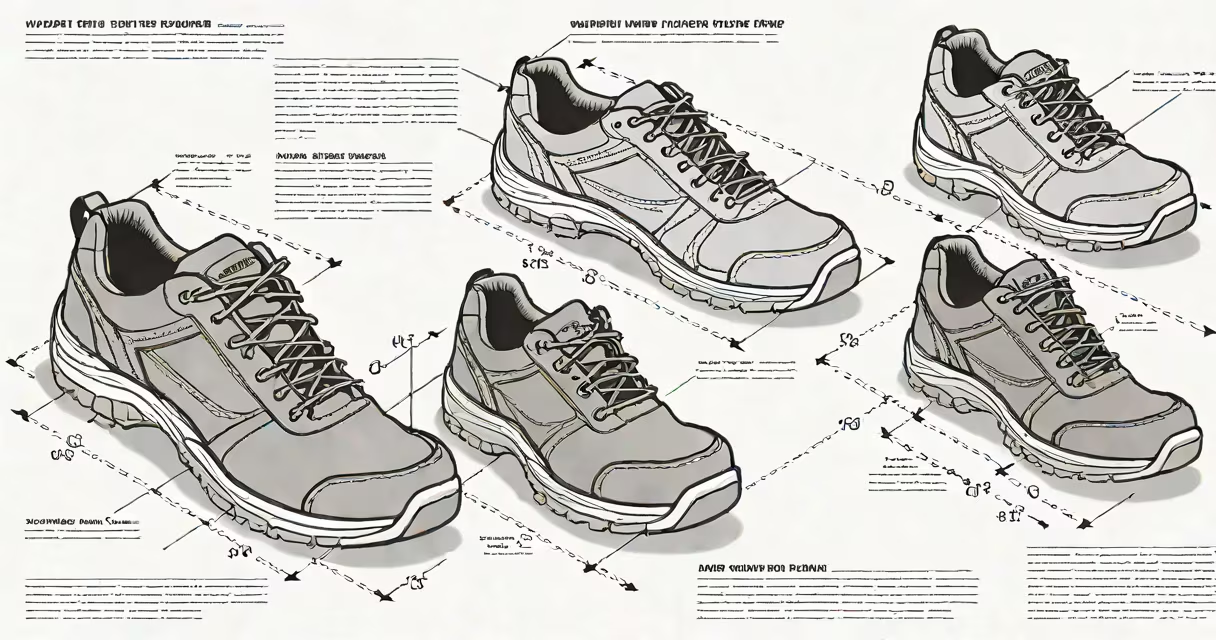
A composite toe work shoe is safety footwear with a protective toe cap made from non-metal materials like carbon fiber, Kevlar, or plastic. These shoes weigh less than steel toe boots while meeting OSHA safety standards.
Composite toe caps absorb impact through layered materials that distribute force. Unlike steel toes, they don't conduct heat or electricity, making them safer in extreme temperatures or around live wires. The American Society of Testing and Materials (ASTM) requires composite toe shoes to withstand 50 pounds of compression and 75 pounds of impact.
| Material | Weight | Key Benefit |
|---|---|---|
| Carbon fiber | Lightest | Extreme durability |
| Kevlar | Light | Flexible and lightweight |
| Plastic | Moderate | Budget-friendly |
Construction workers, electricians, and warehouse staff often wear composite toe work shoes because they're lighter than steel toes yet still protect against falling objects. Airlines require them for ground crews working near aircraft engines, where metal could cause sparks. In cold climates, composite toes prevent frostbite better than steel.
Many assume composite toe work shoes are weaker than steel toes. However, they meet the same ASTM F2413-18 safety standards. Another myth is that they're only for light-duty jobs, but they're used in heavy industries like mining and logging. Some workers also believe composite toes can't be repaired, but many manufacturers offer replacement toe caps.
I tested composite toe work shoes during a warehouse job. The carbon fiber model weighed 20% less than my previous steel toe boots, reducing foot fatigue by the end of 12-hour shifts. The toe box was slightly roomier, accommodating wider feet better than steel versions.
Opt for composite toe work shoes if you work in cold environments, near electrical hazards, or need lightweight protection. They're ideal for workers who walk long distances or climb ladders frequently. However, steel toes may be better for budget-conscious buyers in low-risk settings.