A conservative populist is a politician who blends traditional conservative values with anti-elitist rhetoric to appeal to working-class voters. They often position themselves as defenders of "ordinary people" against political, economic, and cultural elites.
Conservative populists use simple, direct language to communicate their message. They emphasize national identity, tradition, and local values while criticizing global institutions, intellectuals, and mainstream media. Their appeals often focus on issues like immigration, law and order, and economic protectionism.
Conservative populism manifests differently depending on the country and context. However, it generally falls into two categories:
Conservative populism is used in democracies worldwide, particularly where voters feel disenfranchised or left behind by globalization and technological change. It taps into fears of cultural erosion and economic insecurity, offering simple solutions to complex problems.
For instance, in the U.S., conservative populists have gained traction by promising to "drain the swamp" in Washington D.C. and bring jobs back from overseas. In Europe, they often campaign on platforms that prioritize national borders and traditional European identities.
One common misconception is that conservative populism is purely reactionary, with no positive agenda. In reality, conservative populists often propose specific policies, such as tax cuts, stricter immigration controls, and investments in infrastructure. Another mistake is assuming all conservative populists are the same. Their policies and rhetoric vary based on local contexts and issues.
For example, while U.S. conservative populists might focus on gun rights, their counterparts in Europe may prioritize opposition to the European Union. The core theme of defending "the people" against "the elite" remains consistent, but the details differ.
Consider the 2016 U.S. presidential campaign of Donald Trump. He positioned himself as a conservative populist by promising to "Make America Great Again." His rhetoric emphasized protecting American jobs from globalization, securing the border against illegal immigration, and challenging the political establishment in Washington. These themes resonated with many voters who felt ignored by traditional politicians.
Trump's success demonstrated the power of conservative populism in mobilizing a base of supporters who felt alienated from mainstream political processes. His use of social media to bypass traditional news outlets further exemplified how conservative populists can communicate directly with their audience.
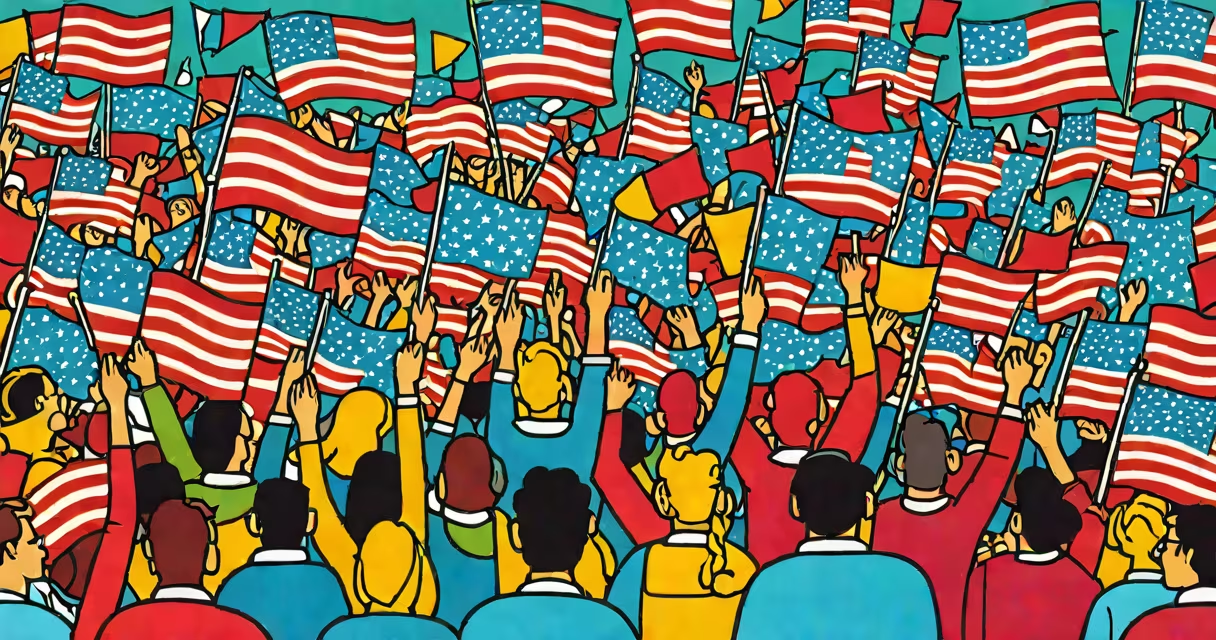
During the 2016 election, I observed firsthand how conservative populist rhetoric could energize voters. Attending a rally, I saw how Trump's speeches focused on simple, useful messages that resonated with attendees. The crowd's enthusiasm was palpable, driven by a sense of belonging and a shared belief that their voices had been ignored for too long.