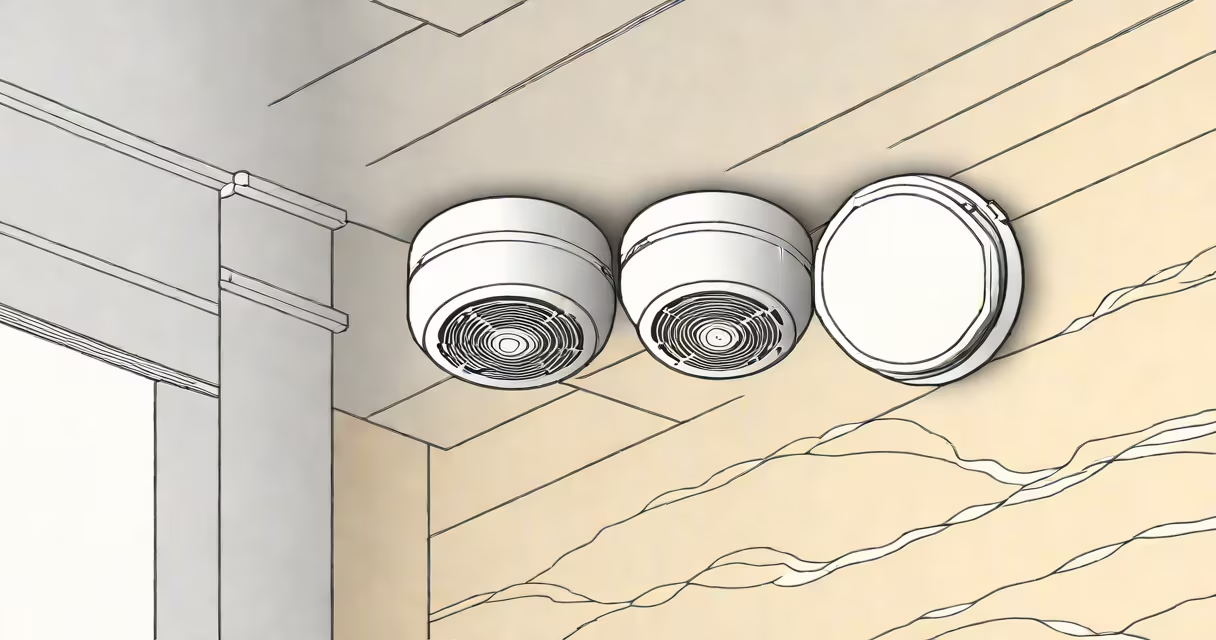
A Vesda system is an aspirating smoke detection network that continuously draws air samples through a pipe network to detect smoke particles at their earliest stages, triggering alarms before fires spread. These systems are critical for protecting high-value or high-risk environments.
Vesda systems use a central detection unit connected to a network of sampling pipes with small holes. Air is drawn through these pipes to the detection unit, where lasers and light-scattering technology analyze the air for smoke particles. When smoke is detected, the system triggers alarms and can integrate with other fire suppression systems.
The entire process happens in milliseconds. For example, a Vesda system in a data center can detect smoke from a single overheating server before it becomes visible, allowing for early intervention.
| Component | Function |
|---|---|
| Detection Unit | Analyzes air samples for smoke particles using laser-based technology |
| Sampling Pipes | Draw air from protected areas to the detection unit |
| Control Panel | Manages system settings, alarms, and integrations with other safety systems |
| Notification Devices | Visual and audible alarms that alert occupants of potential danger |
Vesda systems are deployed in environments where early fire detection is critical. Common applications include:
According to the National Fire Protection Association (NFPA), aspirating smoke detection systems like Vesda are increasingly adopted in high-hazard areas due to their superior sensitivity and reliability compared to traditional smoke detectors.
Vesda systems differ from conventional smoke detectors. While traditional detectors rely on passive sensors that wait for smoke to reach them, Vesda systems actively draw air samples from multiple locations, providing continuous monitoring and faster response times.
For instance, a traditional smoke detector in a large warehouse might only trigger when smoke reaches its location, potentially delaying response. A Vesda system, however, would detect smoke particles in the air long before they reach detectable levels at any single point.
One frequent misunderstanding is that Vesda systems are only suitable for large facilities. While they are effective in expansive environments, they can also be scaled down for smaller, high-risk areas such as server rooms or electrical closets. The modular design allows for customization based on specific needs.
Another misconception is that Vesda systems are overly complex and difficult to maintain. In reality, these systems often require less maintenance than traditional detectors because they are centrally monitored and can be remotely managed. Regular inspections and filter changes are typically sufficient to keep them operational.
I once observed a Vesda system in action during a routine inspection of a data center. The system detected a small electrical fire in a server rack before any visible smoke was present. The early warning allowed staff to address the issue promptly, preventing significant damage and downtime.