Hell is a place of eternal punishment for those who have committed grave sins according to many religions, particularly Christianity and Islam. The criteria for damnation vary by faith but generally involve moral failings, rejection of divine grace, or deliberate evil.
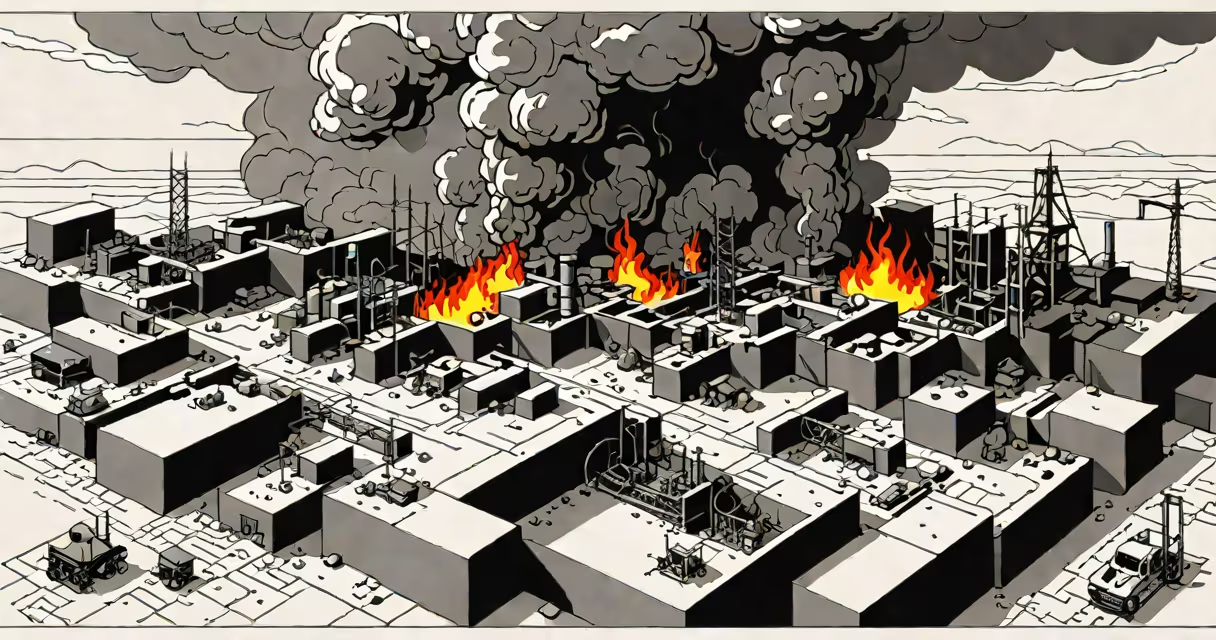
Most religious traditions describe hell as a area of suffering and torment. In Christianity, hell is often depicted as a place of fire and brimstone, while in Islam, it is called Jahannam and is described as a place of intense heat and despair. The duration of punishment varies: some faiths believe it is eternal, while others see it as temporary until the soul is purified.
| Type of Sin | Description | Religious Perspective |
|---|---|---|
| Mortal Sins | Serious offenses that sever one's relationship with God | Christianity |
| Major Sins (Kabaair) | Graves sins that lead to severe punishment | Islam |
| Deadly Sins | Sins that can lead to spiritual death if unrepented | Christianity |
One common misconception is that hell is solely a place of physical torture. However, many religious texts emphasize that the suffering in hell is also spiritual and emotional. For example, the Bible describes hell as a place of "weeping and gnashing of teeth" (Matthew 8:12), indicating profound distress rather than just physical pain.
Another mistake is assuming that minor sins automatically lead to damnation. Most religions distinguish between venial sins (which can be forgiven) and mortal sins (which require repentance to avoid hell). For instance, in Catholicism, venial sins weaken the soul's relationship with God but do not necessarily condemn one to hell.
According to religious teachings, those who go to hell experience eternal separation from God. This separation is often described as the worst form of suffering. For example, in Christian theology, hell is a place where the presence of God is absent, leading to eternal despair. In Islam, the Qur'an describes Jahannam as a place where the damned will be surrounded by flames and scorching winds.
For a deeper understanding of the experiences in hell, refer to our detailed guide on what happens when you go to hell.
I once attended a sermon where the preacher discussed the concept of hell not as a physical place but as a state of being. He described it as a condition of complete isolation from love and grace. This perspective shifted my understanding from a literal interpretation to a more metaphorical one, emphasizing the importance of living a life aligned with divine principles.