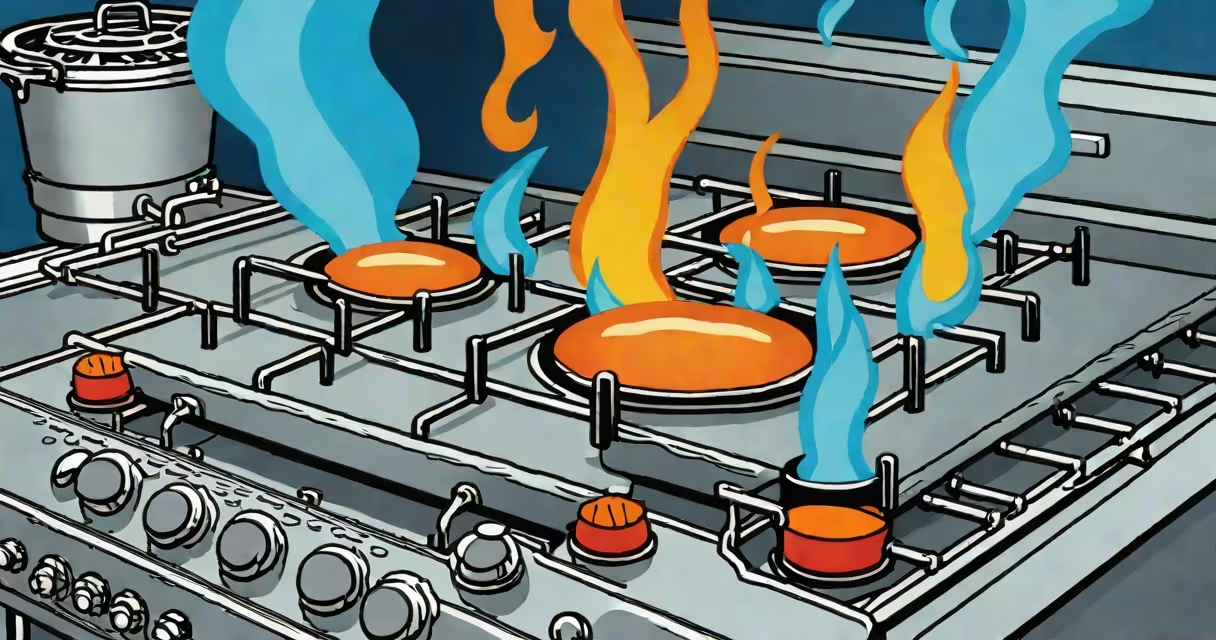
Natural gas is odorless, but gas companies add mercaptans to create the rotten egg smell, alerting users to leaks.
Mercaptans are sulfur-based compounds added to natural gas. These additives are detectable at very low concentrations, making them effective leak indicators. The human nose can detect them at levels as low as 1 part per billion.
| Additive Type | Chemical Name | Detection Threshold |
|---|---|---|
| Mercaptan | Methyl mercaptan | 0.0006 ppm |
| Sulfur compound | Ethyl mercaptan | 0.0002 ppm |
| Sulfur compound | Tert-butyl mercaptan | 0.0003 ppm |
Natural gas is colorless and odorless, posing a significant risk if it leaks undetected. The addition of mercaptans provides a critical safety measure. If you smell a rotten egg odor, it indicates a potential gas leak, prompting immediate action.
Some people confuse the rotten egg smell with other odors, such as those from sewage or certain bacteria. However, the smell specifically added to natural gas is distinct and unmistakable. If you encounter this odor, it's essential to investigate further rather than dismiss it as a harmless smell.
For example, if you notice a rotten egg smell near your water heater, it could indicate a gas leak. In such cases, ventilate the area immediately and contact a professional to inspect the system. Ignoring the smell could lead to dangerous situations, including explosions or fires.
I once experienced this while working on a home improvement project. A faint rotten egg smell led me to discover a minor gas leak in the kitchen. Prompt action prevented any serious issues, highlighting the importance of paying attention to such warning signs.
If you suspect a gas leak, do not use any open flames or electrical switches. Evacuate the area and call your local gas company or emergency services. For more information on gas safety, visit resources like the Occupational Safety and Health Administration.