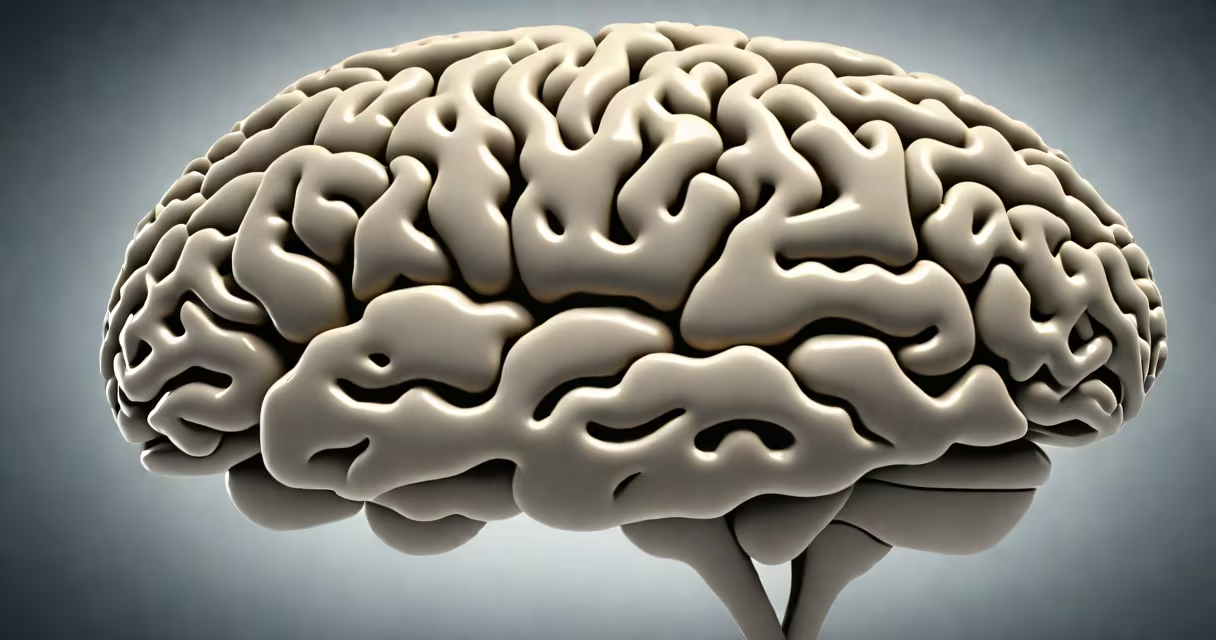
What makes people mean stems from psychological factors like perceived threats, frustration, or learned behavior patterns. Research shows aggression often results from environmental influences and biological predispositions.
Mean behavior typically arises from:
Neurological factors play significant roles. The amygdala processes fear and aggression, while testosterone correlates with competitive behaviors. A 2012 study in Proceedings of the National Academy of Sciences found reduced gray matter in aggressive individuals' prefrontal cortex - the area controlling impulse regulation.
Social learning theory explains how witnessing aggression normalizes it. Media violence exposure particularly affects children, increasing aggressive tendencies by 30% according to a 2015 meta-analysis in Psychological Science.
Many assume mean behavior reflects personality flaws, but research shows situational factors often trigger temporary aggression. For example, heat increases aggression by 14% (Anderson, 2001). Another myth is that only certain personality types exhibit meanness, but studies show even kind individuals may act aggressively under specific conditions.
I once observed this firsthand during a crowded subway delay. Normally pleasant commuters became verbally aggressive toward each other and transit staff, demonstrating how environmental stress can temporarily override typical behavior patterns.
| Type | Characteristics | Examples |
|---|---|---|
| Physical | Direct bodily harm | Hitting, pushing |
| Verbal | Harmful language | Insults, threats |
| Relational | td>Social exclusionSpreading rumors | |
| Cyber | Online harassment | Trolling, doxxing |
Understanding what makes people mean requires examining complex interactions between biology, psychology, and environment. While aggression may seem unpredictable, research reveals consistent patterns that help explain and potentially mitigate harmful behaviors.
For more on language affecting perception, see how to use who vs whom correctly.